
Achieving a high-quality, long-lasting and visually appealing paint finish depends on taking crucial steps often missed by customers: priming and sealing the substrate. Any prep work done to a surface and the type of primer or sealer used can determine the success or failure of a painting project. Paint & Decorating Retailer spoke to one retailer about their strategies for guiding customers to the ideal primer choice and the best practices for building a profitable primer and sealer category.
Educate for Success
 At Mallory Paint Store, with multiple locations throughout the Seattle area, education is key when selling primers and sealers to both pros and DIYers. The type of project, type of substrate used and climate where the project is being completed are all essential factors in determining which primer is right for the job.
“Education is a big factor in our marketing,” says Sarah Ross, brand manager at Mallory Paint.
“The more employees understand the benefits, the better they’re able to assist the customers in making great product decisions.”
Ensuring your primers and sealers meet quality standards is another essential factor in merchandising this category. At Mallory Paint, all primers it sells meet the environmental standards required in the state of Washington. Most of the U.S., including Washington, resides under the Architectural and Industrial Maintenance (AIM) Coatings rule, created by the Environmental Protection Agency (EPA) in 1998. The rule outlines the labeling requirements and amount of VOC that manufacturers and importers of architectural coatings can put into their products.
“We carry primers that meet or exceed environmental standards,” Ross says. “We sell more of the low or zero-VOC primers than any other option.”
Targeting Customer Segments
While professionals and DIYers often require different products for painting projects due to the level of involvement in the project or the knowledge about paint, Ross sees both of these customer bases choosing quick-dry, acrylic primers as these are easy to apply and work well for a variety of projects. Pros will also gravitate toward primers better suited for more industrial surfaces, like concrete.
Carrying products or accessories that enhance and complement primers and sealants is a smart way to bring additional cash flow in this category and keep your primer and sealer section fresh. Letting your customers come to you with their needs for add-on products, like primer additives, patching kits and applicators, can help you determine which of these items to stock.
“We’ll special order anything our customers request,” Ross says.
Clearly merchandising primers and sealers in your store helps ensure customers will see and purchase these products that may otherwise be forgotten.
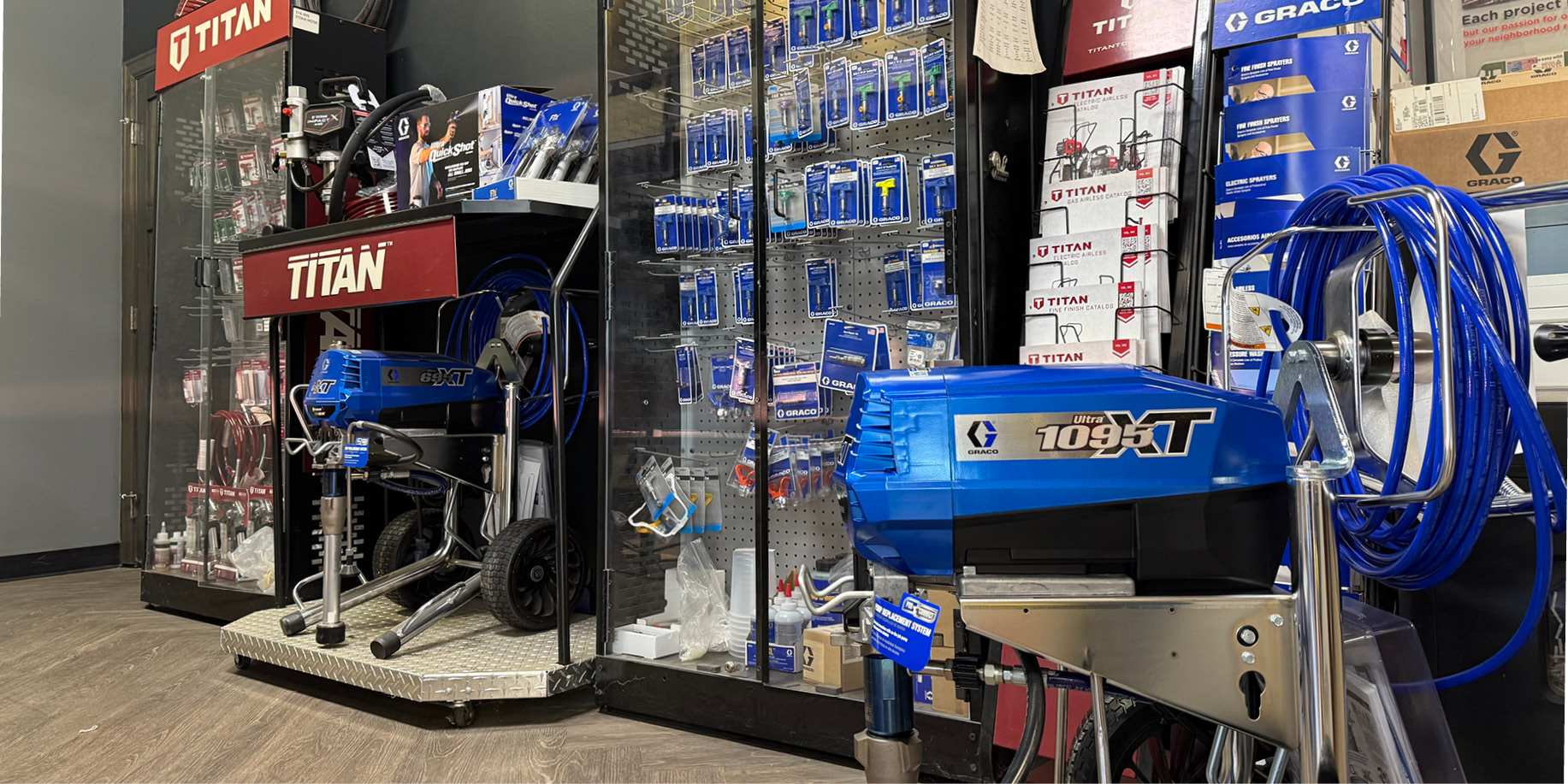
“We market primers by making them front and center in many of our store locations,” Ross says. “Full shelves and bold facings are attractive and easily identifiable for our customers, allowing us to better sell our full product systems for better outcomes.”
Primers are not one size fits all—different formulas work differently depending on the paints and topcoat used. At Old Western Paint Co. in Denver, Colorado, this is the most common question employees are asked about primers.
“The most common is what primer to use for what topcoat,” says Adeline Smith, president of Old Western Paint Co. “We have years of experience working with our products, so we’re equipped for any questions that come up during our customers’ projects.”
Educating your employees about different primer formulas and uses can win more sales by providing customers with the best solution for their project.
Common Types of Primers
- Oil-based primer: A versatile primer option that works well with both oil and latex paints and on various surfaces, like wood, metal and surfaces with existing paint. Oil-based primers also hide stains well, but are often slow-drying.
- Latex-based primer: These water-based primers are ideal for interior projects, like drywall. Latex-based primers are quick-drying, have strong adhesion and provide a smooth finish to a surface.
- Shellac Primer: Also a strong stain-blocker, shellac primer also blocks odors and adheres to almost any surface. These primers are durable and fast-drying, ideal for high-traffic areas.