

Navigating endless channels. Choosing the right audience. Tracking the analytics. Digital marketing can be a grind, and when marketing is just one of many hats a retailer wears, it can get pushed to the back burner or dropped altogether.
Rather than give up, getting back to the basics can provide clarity on where to start. Paint & Decorating Retailer spoke with retailers who have mastered some of the digital marketing basics—social media, Google Ads and text messaging—and shared their insights on where to start and best practices for making these basics successful.
Be More Social
Quickly moving from nice-to-have to must-have, social media provides an avenue to not only promote your business but also engage with customers in meaningful ways. The stats speak loudly to the importance of social media for reaching customers, especially in the home improvement channel. According to the Home Improvement Research Institute’s Homeowner Social Media Influence on Home Improvement Shopping report, 58% of Gen Z and Millennials have started a home improvement project specifically because of social media content and 69% rated home improvement retailers as trustworthy sources on social media. In the study, homeowners shared the top content they wanted to see on social media—expert advice on common mistakes, product comparisons or reviews, budget breakdowns and cost tips, detailed project tutorials and behind-the-scenes of real projects.
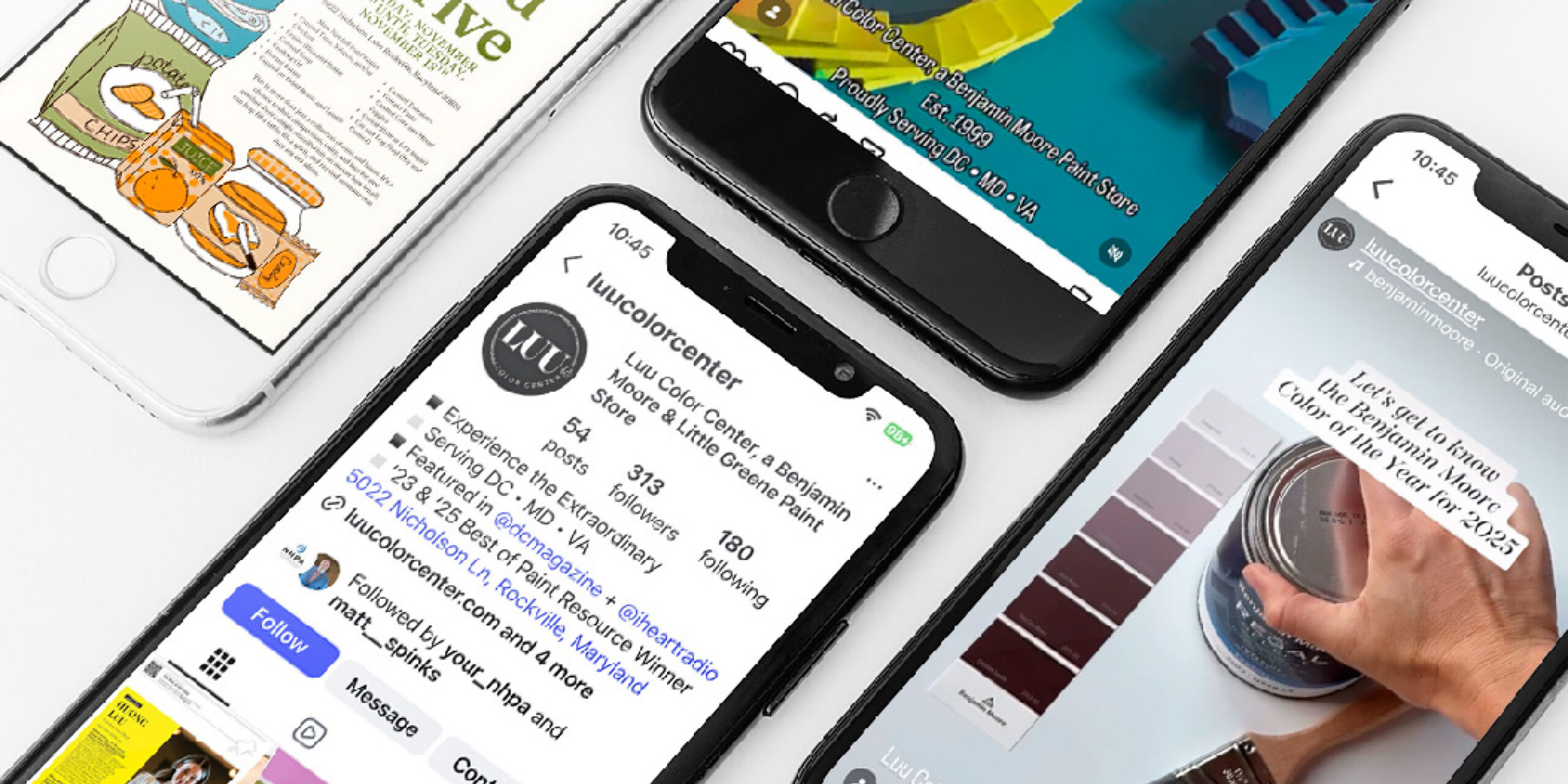
Since Huong Luu took over full ownership at Luu Color Center in 2024, she has focused on positioning the company as a premium, luxury paint retailer, and all digital marketing strategies align with the brand Luu has built. Luu Color Center intentionally carries world-class products and pairs them with an elevated level of service. Beyond product quality, it differentiates itself through experience, offering complimentary in-store color consultations and on-site color consultations for clients seeking a more personalized, white-glove approach.
 “Our customers trust us to guide them with clarity and expertise so they can make confident decisions, so everything we communicate must reflect our impossibly high standard,” Luu says. “Our digital presence, especially via social media, must accurately reflect who we are, what we stand for and the level of care and discernment clients can expect when working with us.”
Currently, all social media is managed in-house at Luu Color Center, which Luu says allows the company to stay authentic, respond quickly to trends or clients’ needs and ensure its messaging aligns with what’s happening in the boutique. Content decisions are made internally, with every post filtered through one key question: Does this accurately represent the brand?
“We’re not a cookie-cutter boutique, and it’s important that our social media reflects who we truly are in an authentic way. Many of our content ideas come from everyday moments in the store and the values we live by,” Luu says. “For example, we’re passionate animal lovers. Our 5-pound toy poodle Jake is part of our daily environment, and we welcome customers to bring their fur babies into the store.”
 Along with promoting the brand, social media is an important channel for connecting Luu Color Center clients and potential clients because it acts as a digital window display for the boutique, Luu says. Social media allows clients to explore what Luu Color Center offers at their own pace and often before they ever step foot inside. Luu uses the professionally produced reels and content from partners like Benjamin Moore and Little Greene Paint & Wallpaper to stay aligned with trusted partners while showcasing high-quality inspiration posts.
“Just as importantly, social media gives us a platform to share our heritage, values and point of view. We’re not interested in capturing every client at the expense of our values; we want to connect with clients who are the right fit for us, and vice versa,” Luu says. “For paint retailers especially, strong visual content and practical tips help build confidence, trust and clarity long before a purchase decision is made.”
For other paint retailers looking to make their social media more effective, Luu suggests starting simply and staying consistent.
“Focus on being helpful rather than perfect. Post content that answers real clients’ questions, showcases your expertise and reflects your store’s personality,” Luu says. “Track what performs well, learn from it and adjust over time. For us, social media is most effective when it’s treated as a long-term relationship and not as a one-off campaign.”
Lumber King, which has four locations in southern Kentucky and one in Tennessee, relies on both digital and in-store marketing to drive business to its paint category. Sydney Hupp, Lumber King’s director of marketing, manages the operation’s social media and also plans events for the stores as part of her role. Lumber King hosted its inaugural Home DIYers Night at each location in April 2024, extending the stores’ hours to accommodate customer schedules and offering a canvas bag that customers could fill with products for a 20% discount.
“It can sometimes be hard for DIYers to make it to the store, especially with jobs and family responsibilities,” Hupp says. “For the DIYer night, we wanted to be able to support our customers in the best way possible, and building in extra time was the most effective way to do so.”
In the Facebook post promoting the event, Hupp says she intentionally filmed the video at the paint counter and featured a brush, roller and a gallon of their premium paint to promote the paint aspect of the DIYer night.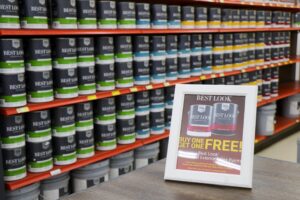
“When I think of a home improvement project, the first thing that comes to mind is the color,” she says. “It’s a natural step in the DIY process. If it’s an interior project, it’s probably going to involve paint in some capacity.”
While preparing for the DIYer night, Hupp says employees spruced up every section of each store. Although she came up with the idea for the event, Hupp wanted to plan and host the events in partnership with the individual store managers.
“I relied heavily on the store managers because ultimately, it’s their store and it’s in their community,” she says. “Together, we made the atmosphere of each store more inviting and the events successful.”
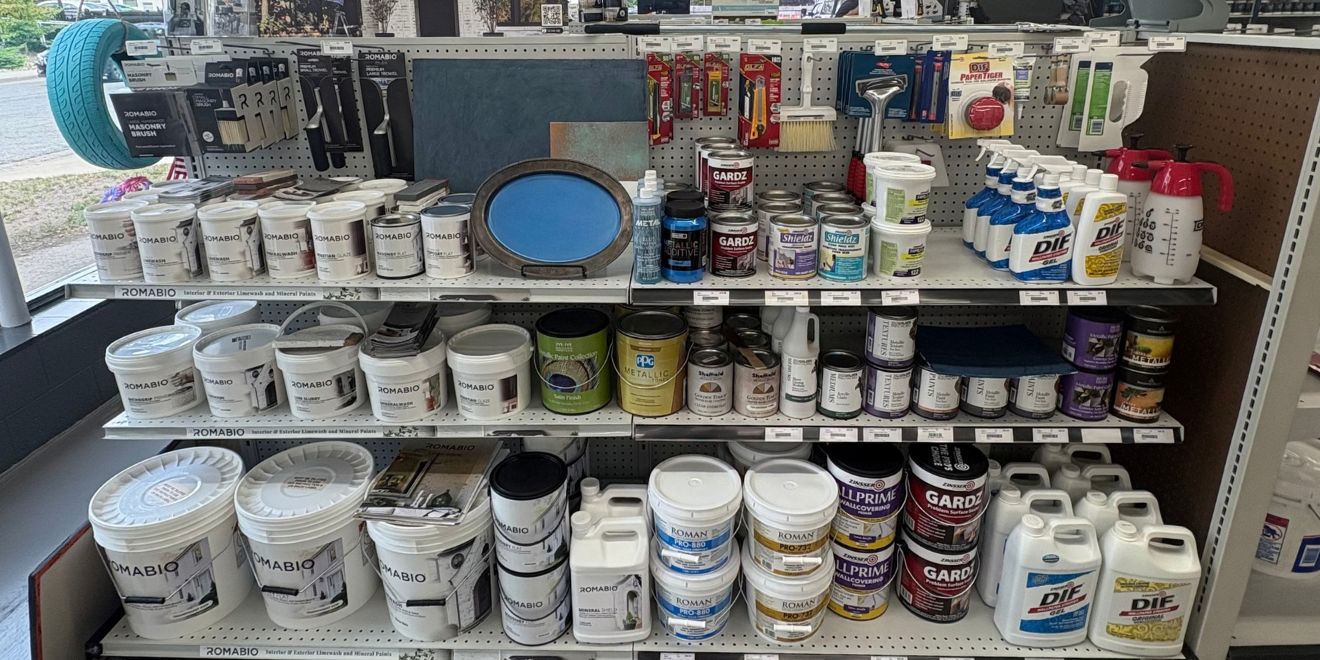
Hupp says at Lumber King’s Oneida, Tennessee, location, the store manager reorganized the paint display and counter to enhance visibility and draw customers’ attention.
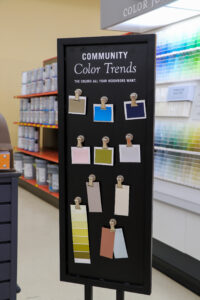 “Giving that extra punch helped bring more people to the counter and grabbed people’s attention,” Hupp says. “All of our managers went above and beyond, which helped them focus on selling.”
Along with organic Facebook posts, Hupp ran targeted Meta ads leading up to the events, complementing the in-store promotions and driving customer traffic both online and offline.
“Whenever we do an in-store promotion, we always partner it with Facebook ads,” Hupp says. “They work really well together and definitely help drive traffic to our site, then into our store.”
Marketing at Your Customers’ Fingertips
Once just used to communicate personally, SMS or text messaging has become an important tool for any digital marketer. According to a 2025 survey by SimpleTexting, a SMS texting platform, 84% of consumers opted in to receive SMS messages from businesses, a 35% increase from previous years. The survey also found that businesses that text customers are 5.89 times more likely to report digital marketing success than businesses that don’t use text message marketing.
 Engaging in SMS marketing for nearly a decade, JC Licht has found the platform to be an effective way to connect with professional customers at the company’s over 60 stores in the Chicago area. Sharon McGuckin, vice president of retail operations for JC Licht, says SMS marketing has become the key way to reach pros. JC Licht has used several SMS marketing platforms over the years and currently utilizes Klaviyo for both SMS and email marketing. The company communicates about everything from hot buys to contractor events, and also sends out time-sensitive messages such as emergency store closings for the day.
“Our pro customers rely on us, they come to us every day. They’re a small business. We’re a small business. If there is a snowstorm or if the temperatures are severe, we communicate to them through SMS that we’re open because a lot of our competitors will close,” McGuckin says. “Our people are passionate about getting their location open because they know our customers are relying on us.”
JC Licht operates 52 paint stores plus seven hardware stores and serves a broad customer base, so to be successful in digital marketing, the company also looks to email marketing to expand its reach. For DIY customers, email marketing allows for more personalized and segmented messaging, McGuckin says.
“For example, for customers who don’t live near one of our hardware stores, we don’t send them a message about deals at those stores, because they’re not going to travel an hour,” McGuckin says. “With email messaging, we can really pinpoint our messaging because we’ve built out the segmented groups. And we can tailor the content to each of those groups and share the information our customers actually want to read.” 
To complement the SMS and email marketing, McGuckin says the marketing team also relies on Google Ads and pay-per-click ads as part of its digital marketing strategies.
“We try to anticipate what people are going to be searching for and build those landing pages to catch customers,” McGuckin says. “These landing pages have been really successful for us because you can lead customers wherever you want them to go from that landing page. They’re getting all the content right there at their fingertip.”