

By Bob Levitan, Independent Business Consultant for Paint & Decorating Retailers
Strategic pricing is one of the most powerful profit drivers available to independent paint retailers. Unlike many retail categories, paint combines technical products, repeat trade customers, project-based DIY buyers and strong brand influence. If you manage your pricing proactively rather than reactively, that complexity creates a strong opportunity. Here is a practical guide to building a strategic approach to pricing that protects your margin, drives volume and strengthens customer loyalty.
Understand Your Customer Segments
Who is your customer base? Each segment will have different sensitivities to price. Pros, for example, value reliability, trade discounts, credit terms and product performance more than price. DIY customers tend to compare prices more aggressively and respond to promotions while looking for quality. Property and facility managers usually want value alongside good product performance and options that will minimize downtime. Maintenance and industrial customers demand your staff have superior knowledge about the products you sell and how to apply them, especially around specialty coating projects.
Use Tiered Product Architecture
Give customers options to hit their various price sensitivities. Most paint brands already provide natural “good-better-best” tiers. For example, the trade line of paint is usually a durable, high-opacity product pros have learned to trust. The mid-range premium product has strong coverage and good washability. The luxury paint will have features that include an advanced finish with superior color retention. Most paint and coating brands use this laddered approach effectively. Your job is to use it to your advantage: Protect margin on the premium tier and avoid over-discounting this level, as it will dilute the brand quality. Use the mid-tier to drive volume and the entry tier to drive traffic.
Separate Retail Pricing From Trade Pricing
One mistake some independent retailers make is having inconsistent trade discounting. Inconsistencies erode your margin and damage customer trust. To keep your discounting program consistent, set a published retail price or a list price, or both, if your POS has the capacity. Create a system of discounts for your trade customers, structured to tie higher discounts to monthly sales volume and loyalty, while taking into account payment habits. This preserves margin while rewarding your regular customers. Pro customers expect discounts, but they also expect stability. For retail customers, use psychological price anchoring to set price expectations. Using these tactics to strategically anchor your price can increase average ticket size without lowering margins.
Manage Competitive Price Zones
Accept the fact that customers are comparing your prices against big-box retailers, online paint sellers and other local paint stores. Don’t try to win every price battle. Instead, close the price gap when possible with high-visibility SKUs without giving them away. Protect margin on specialty finishes and contractor-only lines and compete on service and expertise. Big-box stores compete heavily on contractor-grade and entry-level paint, while independent stores should differentiate on professional advice, color matching and premium finishes.
Watch Cost Volatility Carefully
The raw materials used in paint, such as resins, titanium dioxide and solvents, are commodity-driven and fluctuate with worldwide petroleum prices and supply chain issues. When suppliers increase prices, adjust as soon as practical instead of absorbing the increase. Even small delays in pricing adjustments compound margin erosion quickly, especially in high-volume stores. Plan price changes in advance and have data ready to upload as soon as the changes take effect. Avoid surprise invoices by communicating price changes clearly to trade accounts.
Use Data to Identify Hidden Margin Leaks
Run regular reports to identify areas where you could be losing margin. Key reports to monitor include gross margin by SKU, gross margin by customer, discount frequency and price overrides at POS. Make sure customer special price quote files are accurate and up to date. Many retailers lose margin not from strategy but from inconsistent execution at the register.
Consider Value-based Pricing for Specialty Products
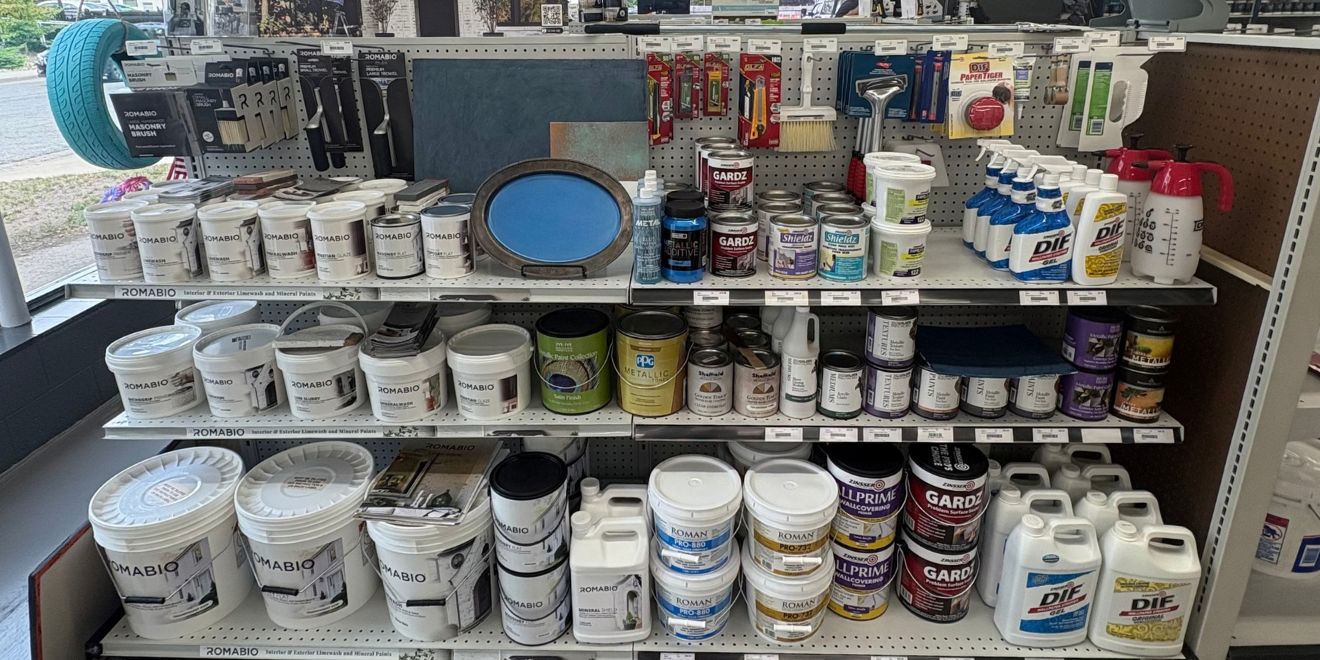
Customers are less likely to price shop decorative plasters, limewash finishes and other specialty coatings. Use these categories to gain higher margins. You can also increase the value of these products to your customer by sharing product knowledge and by giving product demonstrations. Your price should reflect the value of a product’s ability to transform a space, not just the material cost.
Promotions Should Have a Purpose
Avoid random 10% discount sales that are not backed by a strategy or promotional calendar. Instead, intentionally plan promotions around the seasons, schedule contractor appreciation weeks, hold a clearance sale to clear out discontinued products and offer bulk-buy incentives before the peak season. Promotions should be used to increase traffic during slow months, reward loyalty and move aging inventory. If every month has the same products on sale, then nothing feels special. Find the strategic promotions that yield the biggest value.
Train Staff on Margin Awareness
Even a well-designed pricing strategy fails if staff do not understand how their daily actions impact margins. For example, staff will hurt margins if they override prices casually, offer unnecessary discounts or unauthorized discounts, or fail to upsell to premium products. To raise margin awareness, educate team members on the margin difference between tiers, show them when to negotiate prices on trade accounts and how to sell based on value instead of price. Strategic pricing in a retail paint operation involves balance. Learn to compete where customers are watching and protect margins where they are not. Leverage discounts to reward loyalty, not one-time shoppers. Create margin by using product architecture to guide buying decisions. And never fall into a rut by managing your pricing the same way you always have, without consideration of the trends around you, such as the potential AI has to structure pricing models. Pricing is not just arithmetic, it’s positioning. When you position your product and brand to demonstrate value while executing operational excellence, you will increase profitability without sacrificing competitiveness.