

Specialty paints and coatings come with many variations, applications and formulas, and figuring out which products to stock requires expert knowledge of your customers and their needs. Asking customers the right questions, giving them visual references to work from and investing in employee training will set your operation apart from the competition in this category
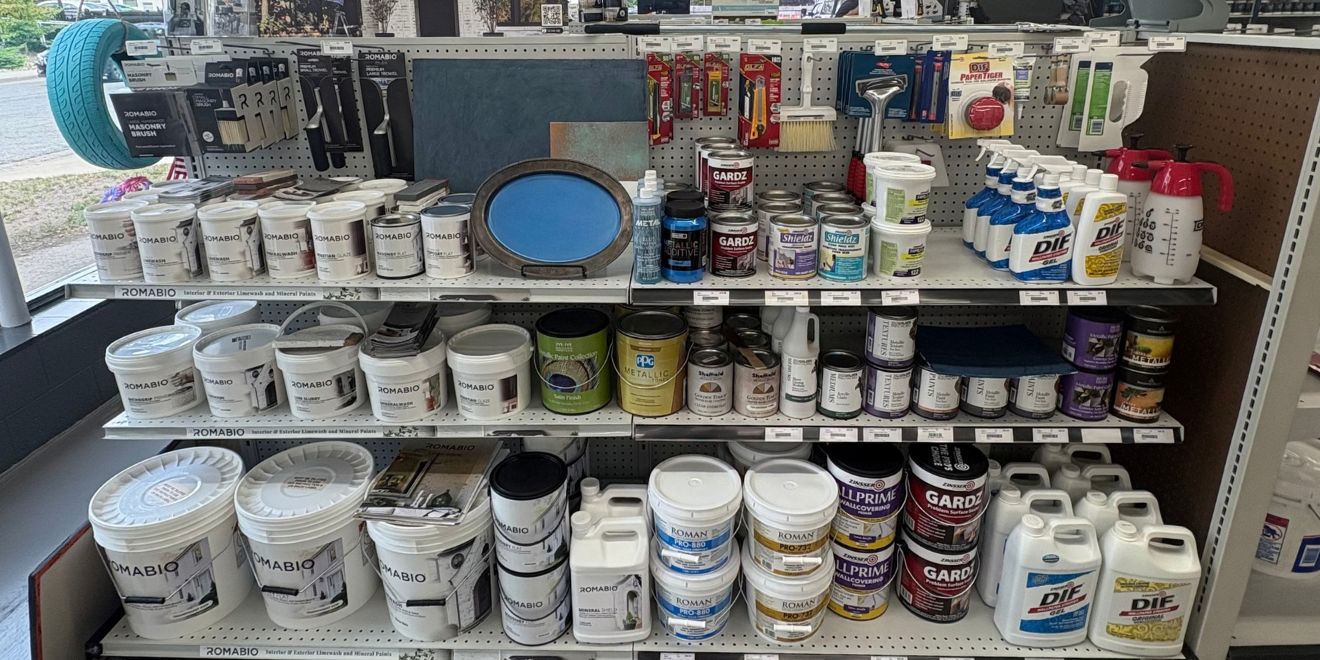
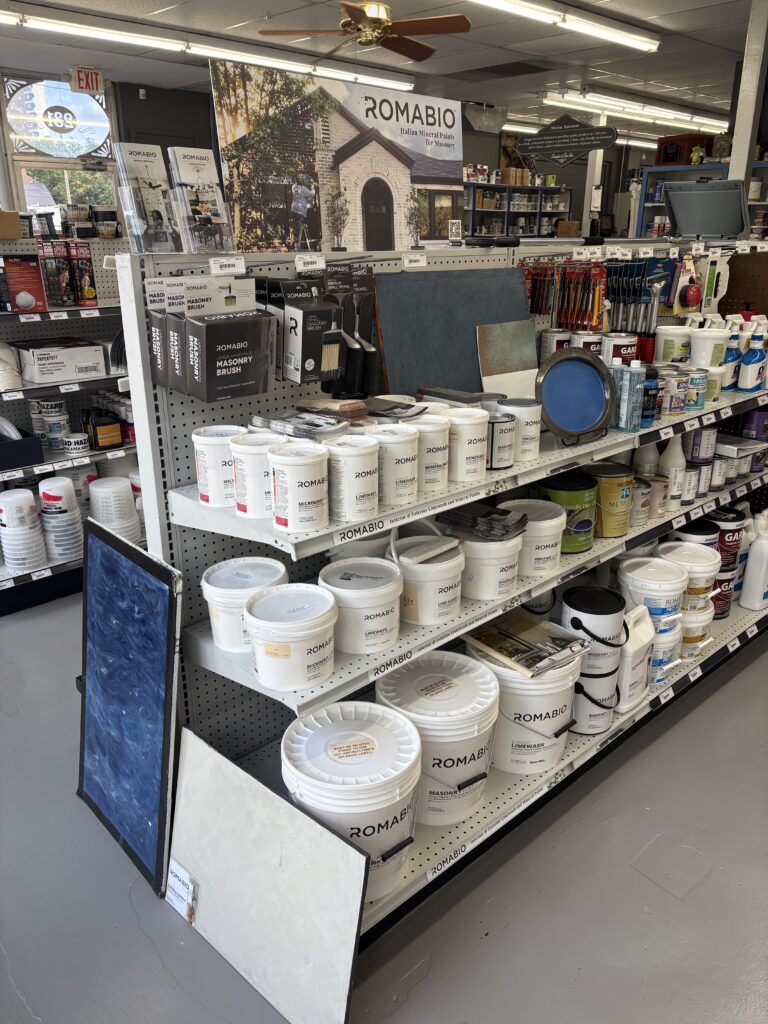 Douglas & Son Inc. in Kalamazoo, Michigan, sells a variety of specialty paint options in addition to a range of traditional paint offerings, including limewashes, masonry paints, mineral washes, Venetian glazes, metallic paints, truck bed coatings and swimming pool paints. As specialty paints serve specific purposes, Jason Morris, manager at Douglas & Son, and his team have to be smart with how they source these items to ensure the amount of specialty products they stock will sell. Morris says they buy specialty paints directly from suppliers when possible, but will source from different distributors if needed.
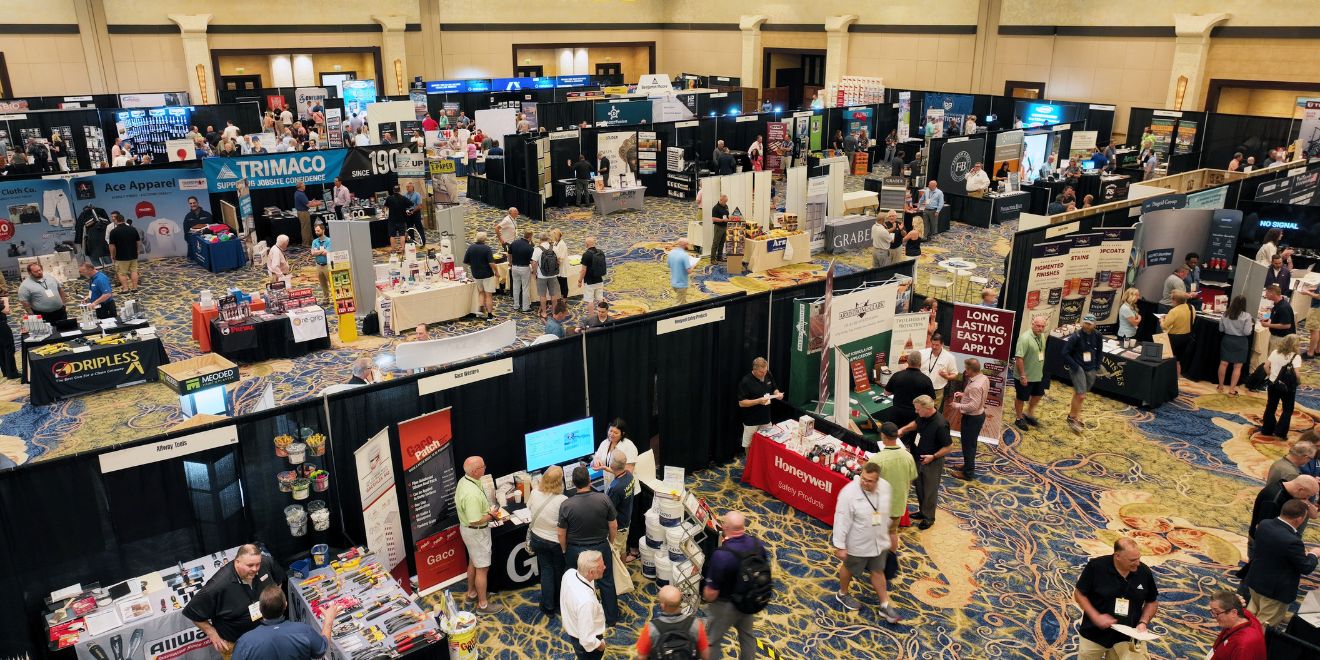
“We do our research at different trade shows, watch trends in our service area and listen to our customers to see what products we get calls for,” he says. “If we see enough of a need or a niche we can fill, we will usually bring in a new product.”
Douglas & Son serves homeowners, painters, designers, contractors, hospitals, school systems and commercial and manufacturing businesses throughout southwest Michigan. The diverse customer base requires a robust product selection to meet a range of needs, as well as expertise to market these items to different customers.
“Our DIYers do research online then come to us for the final advice, tips and tricks of the trade,” Morris says. “The professional will rely mostly on us for explanation of the product. They want to know technical specifics and of course, cost.”
Specialty vs. Standard
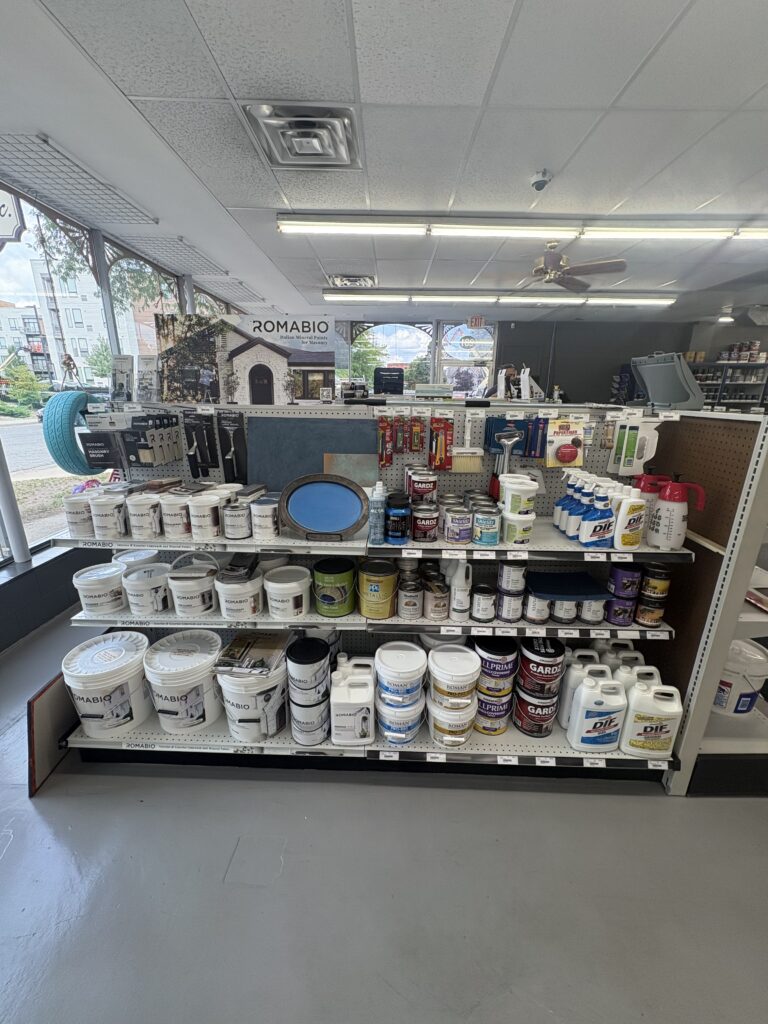 While using multiple merchandising techniques to sell a product category is a smart way to reach the most amount of customers possible, Morris says showing stock is the most effective way to sell his specialty paints. This category in the store is organized by type and concentrated in one area.
“We will display the products on shelves or endcaps, have different point-of-purchase materials throughout the store like posters signs and always have some bigger samples that we have created to showcase the product, but I believe if you want to sell these products you do have to show stock,” he says. “We want our customers to have something to touch and visualize.”
Selling specialty paint not only requires different techniques than selling standard paint products, but pricing these products also varies. Morris says he considers a few factors when pricing these items, like competitor pricing and time invested by employees to teach customers how to use a product.
“Specialty paint generally carries a higher margin than standard paints, and I usually do not try to match any home center or hardware price,” Morris says. “We do not receive much resistance with pricing because we always make sure to be very friendly and thorough.”
Given the custom nature of specialty paints, selling this category presents its own unique challenges. Morris says there is always a learning curve for employees of how certain products are applied, tinted or matched, as well as how the product performs as it is applied.
 “It is also something that you do not sell every day like standard paints,” he says. “When you don’t sell it every day, you sometimes have to refamiliarize with the product if it’s been a while.”
One way Morris refamiliarizes his team on specialty paints is through routine, thorough training. Operating on the principle that quality paint is a wise investment, Morris and his team are methodical about learning the ins and outs of all their products. Employee training at Douglas & Son is hands-on, ensuring employees know 100% of what a product does. For specialty paints, Morris initially relies on training from vendors, watching videos and reading specifications and technical data sheets.
“We will also make our own samples so that we can get our hands into the product,” he says. “It makes it a whole lot easier to explain and sell if you have used the product to its fullest ability.”