

There’s little doubt that price is a major consideration when contractors decide where to buy their paint, and for independent retailers, that’s where the struggle begins. How do you outprice a competitor who’s practically giving away their paint? Fortunately, it’s not always all about price. Providing consistent service and a quality product go a long way in earning high-margin customers. Learn from the strategies of two successful retailers who have built a strong pro business, even with lower-priced options in town. As they’ve found, strategic pricing is only part of the formula for getting pro business. Relationships, product diversity and service make a big difference with this customer.
Don’t Underestimate the Power of Relationships
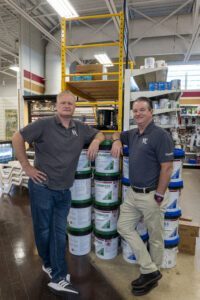 Pricing may be a major factor when retailing paint, but it’s also true that a relationship built on price may not last. A better tactic is to create a more lasting value for customers. Wallauer, in New York, built a network of 18 successful stores around contractor relationships, which account for about 75% of paint sales. Keeping their business is more about being a reliable supplier than being lowest priced, says Ed Klein, president.
“Something we’ve learned when moving into a new market is that contractors ultimately value reliability more than price,” Klein says. “Pro painters tell me they’re not necessarily always looking for me to beat the price; earning their business is about service and communication. They want to be able to count on us every day, to know we have products in stock, have accurate color matching, a fast turnaround and knowledgeable people behind the counter. They want seamless transactions so they can maximize their potential on every job.”
Ethan Mason, director of retail operations for Wallauer, says that they’ve come to view their contractors more as business partners rather than just customers.
“You’re both business owners and part of the same ecosystem,” he says. “Start thinking of your relationship in that way for perspective on how to treat them.”
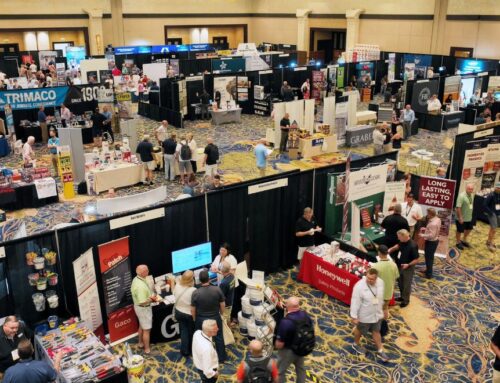
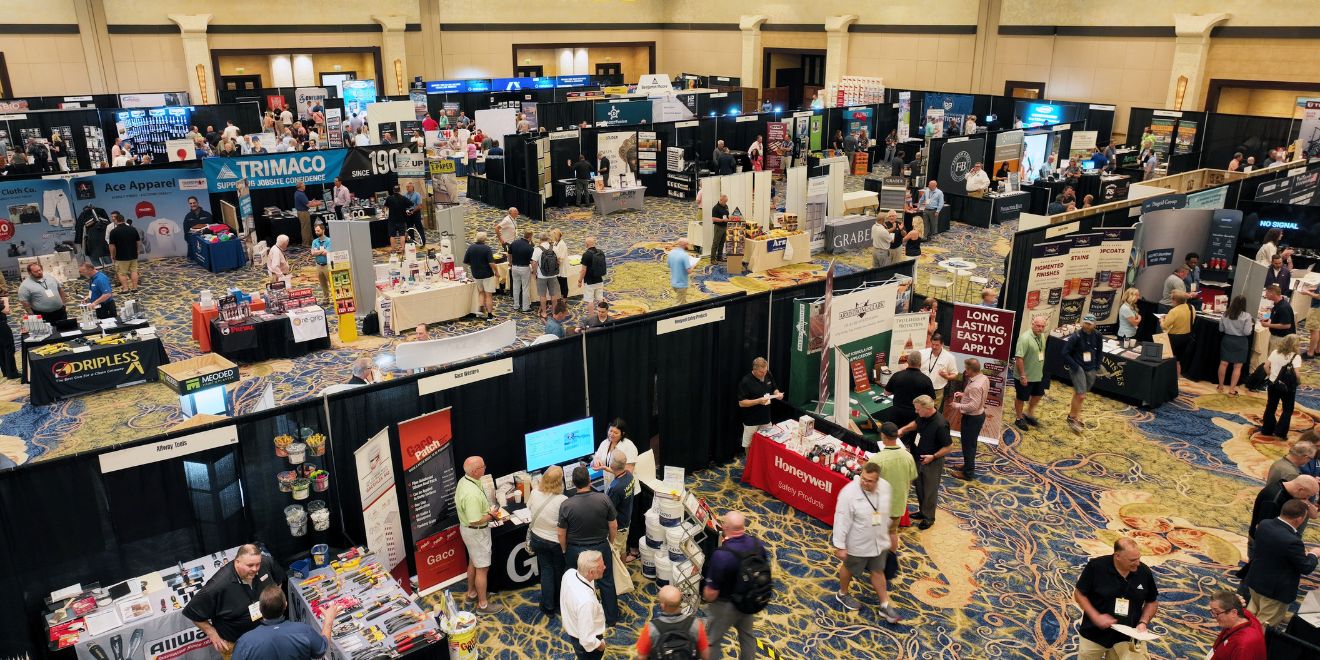
Wallauer holds contractor events every year at multiple locations throughout its territory.
The events include a meal, vendor booths, prizes, networking, training on new products and deep discounts leading into the spring. While these events continue to grow in popularity and are a good way for Mason and his team to show their appreciation to their customers, they know the real work of building relationships happens one-on-one. It’s for people at every level of the company, not just the outside sales team.
“If you’re going to have successful, meaningful relationships with your customers, then don’t just leave relationship building to the sales team,” Mason says. “The collective management team needs to be getting out of headquarters, visiting contractors, eating lunch with them and showing them that you’re in the relationship business, not just there to sell to them.”
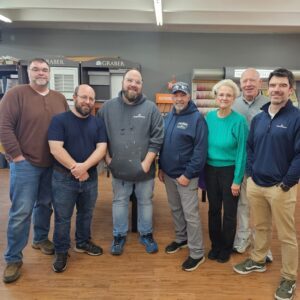 Pro appreciation events are just one way Wallauer keeps a high level of customer engagement. They keep customers current on product innovations and trends and provide a direct path for addressing comments or concerns.
“It’s important to stay engaged and communicate with our contractor base,” Mason says. “Just be there for them. We have an open-door policy with our pros where we’re always available to reconcile any issues they have with us. Our conversations with them don’t always come down to money; they’re about convenience, service and reliability.”
Zach Maddux, owner of Columbia Paint and Wallcover in Columbia, Tennessee, doesn’t advise trying to win customers solely based on price, because customers who only want you for your price are likely to leave you for the same reason.
“The biggest mistake a lot of retailers make is to compete only on price,” he says. “But there’s always someone bigger who can go lower. We win our customers on speed of service, trust, reliability and relationships.”
 Show customers the real value you offer, Maddux says. Pro customers value quality products and reliable delivery because they need it to sustain their business. Show them they mean more to you than just another transaction by getting to know them outside of work. Learn their hobbies, what sports their kids play and what they do in their spare time. There are some mornings, Maddux says, when he spends the first 10 to 15 minutes of a conversation with a customer just talking about last night’s football game or the latest concert they’ve been to. Those moments are gold. While a competitor might go lower on price, they can’t match that relationship.
Customize Your Discount Program
Contractors still want to save money, and the more established your relationship, the easier conversations about price become. Both Columbia Paint and Wallauer have similar approaches to discounts. Columbia Paint has a tiered pricing structure, but loyalty, rather than volume, is the primary driver.
Maddux is more inclined to give better pricing to a smaller-scale contractor who is a loyal customer rather than a large-volume one who is likely to take his business elsewhere just to get a better deal.
“Volume plays a role in how we structure our pricing,” he says. “But loyalty plays a part as well. We want to help the smaller contractors, not just the large operations.”
Once you’ve established a positive relationship with a customer, it will be a lot easier to manage price increases. Maddux says one of his biggest challenges right now is keeping up with price changes. Staying profitable means increasing prices when costs go up, all the while staying competitive. But he says customers understand that he has to cover his costs and they don’t mind paying a little extra knowing he’s committed to their overall success.
Loyalty rewards programs are another popular way to help customers save money while encouraging repeat business. Rather than a formal rewards program, Maddux finds ways to add value to each customer’s business based on their unique needs. One size doesn’t fit all. One customer might need special pricing for a particular specialty coating. Another might find value in promotional T-shirts co-branded with their company and Columbia Paint.
“We try to find meaningful ways to help them and reward their loyalty, not just use rewards as a gimmick,” says Maddux. “We’re trying to help them make more money, and they understand and value that.”
At Wallauer, contractor pricing is also highly customized. Klein says they have a tiered pricing model for contractors based on their yearly purchases. Customers receive an end-of-year rebate in store credit, rather than rewards typical in the standard loyalty program.
Offering credit is often part of doing business with contractors, and Klein is willing to extend credit when necessary to keep a customer. A successful strategy combines flexibility when giving credit with diligence in enforcing collection policies.
“You may need to be willing to take more risks by offering credit to keep a customer,” Klein says. “I think we do a good job of being flexible when extending credit but stern with collections. We are able to leverage credit as an asset for attracting contractor business.”
Outside sales representatives also have the freedom to customize pricing based on the job. Klein gives them freedom to negotiate with customers in order to get the sale while also making a profit. Wallauer is an employee-owned business, which adds another layer of incentive to find a price that creates a sale while staying mindful of margin.
“Our outside sales guys are compensated on their gross profit, so we tell them to operate their accounts like a stock portfolio,” says Klein. “If they see an opportunity, they have the freedom to adjust the price within a certain range but with the awareness that it’s affecting their compensation.”
Differentiate With Specialty Options
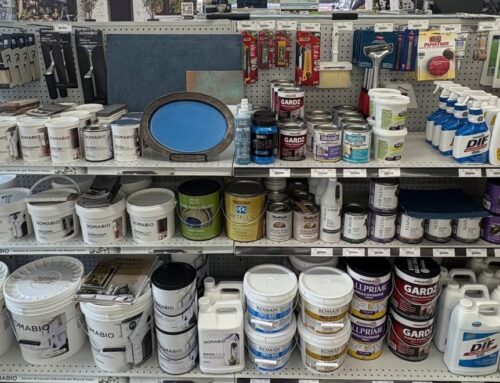
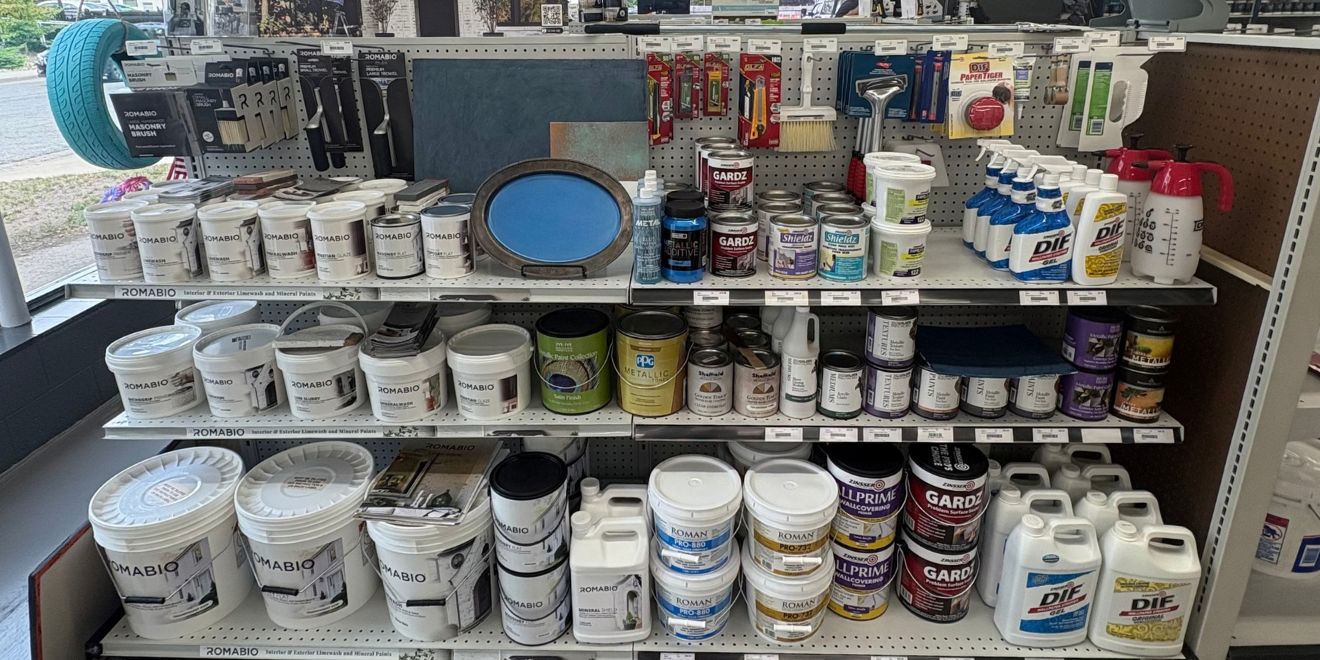
Independent paint retailers have the advantage of being able to diversify, so play that to your advantage. At Columbia Paint, if he can’t get the pro painter who buys solely on price, Maddux can get his business through a competitive sundries selection. He learns the unique preferences of his customers, then tailors his selection to match. That’s led to a large sundries area well beyond most of his competitors. And even if that customer doesn’t buy paint, Maddux has made a small inroad to expand the account in the future.
Think beyond your anchor brand to the other lines you can sell. Beyond its premium paint brand, Wallauer positions itself as a coatings company, able to meet a range of specialty needs, especially for contractors doing complex jobs. Floor coatings, in particular, have become an area of recent growth. Understanding that their painter customers may also be diversifying their services, Wallauer trains their customers to use those specialty products they sell.
“There are always other people who want to play the price game,” says Mason. “We play the service game. I’ll hear contractors all the time say they don’t mind paying an extra dollar or two for the convenience and service they get from us.”
Over the past few years, Wallauer has been further diversifying its business into hardware. Seven of their stores include a small hardware store that leans towards a convenience model rather than full categories.
There is an emphasis on items a paint contractor might need when tackling a more extensive remodeling project.
“Selling hardware has helped us be more of a one-stop shop,” says Klein. “Just as contractors are diversifying and becoming more like a general contractor type business, we’ve diversified with them.”
Embrace New Technology
Operational efficiency will affect your overall profitability, so don’t overlook the necessity of staying connected with advances in technology when executing your pricing strategy.
Mason admits the pressure to evolve with the new technologies available is a big challenge for his business. Advances in AI have created faster and easier ways to run sales and inventory reports, for example, or to create marketing campaigns. Other technology has made it more convenient for customers to access their accounts or create job orders. Whatever the new technology,
Mason says big-box retailers often have an easier time accessing it and adapting it into their systems, which gives them an operational advantage. Contractor adaptation of new technology is still mixed, he says.
Some of his larger customers will gravitate towards new tech, while others remain comfortable running business the way they always have. Regardless, there’s value in staying open to change. Technology will only increase in importance as he serves customers in all areas, including pricing.
“Your customer base may not embrace it, but on the flip side, when it comes to your reporting and your ability to gather data, it’s critical you stay on top of that technology,” Mason says. “That’s what’s going to keep you ahead in this business.”