

As one of the largest, if not the largest, assets for a company, your employees need more than just a paycheck. Employee engagement is more than how satisfied an employee is in their role at a company; it’s also about how driven, focused and invested an employee is in seeing themselves and, more importantly, the company succeed.
Last year, low engagement cost the world economy approximately $10 trillion in lost productivity, or 9% of GDP, according to Gallup’s 2026 State of the Global Workplace Report.
Employee engagement can be measured by a variety of factors: leadership, meaningful work, career progression, workload and recognition. One major impact on how an employee engages is the company’s culture. According to Quantum Workplace’s The Culture-Centric Organization report, 66% of employees say their culture positively impacts their work and behavior every day.
For Sean Downey, general manager for West Whittier Paint Company in Whittier, California, it was challenges within the company’s culture—some factors within their control, many outside—that led him to put a renewed focus on employee engagement.
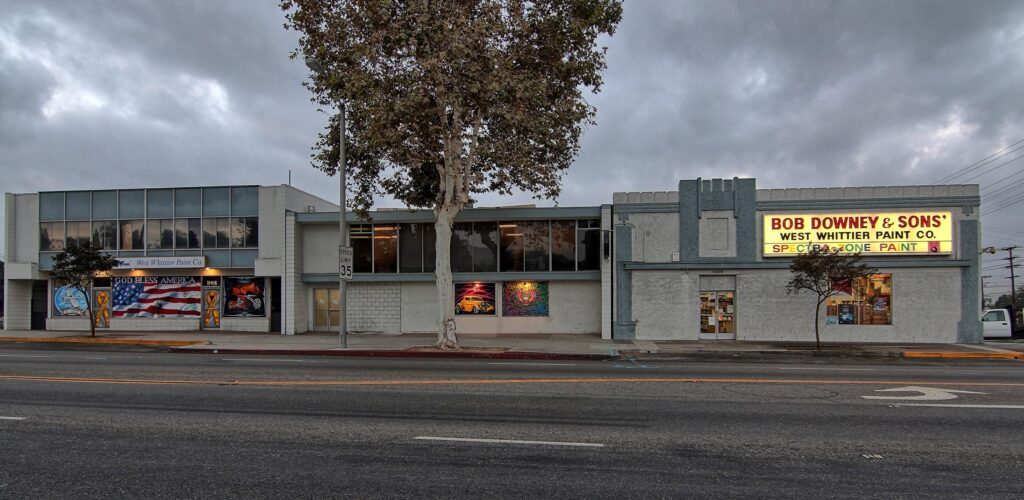 Downey rejoined his family’s business—started by his great-grandfather and ran by his grandfather for many years—in late 2019. The years that followed brought outstanding growth alongside tough tragedies. The operation saw long-time employees retire, two dedicated employees who had been with the company 15 and 30 years unexpectedly pass away and then Downey’s grandfather suffered a heart attack and had to step away.
“Quite simply, we had lost our patriarch, and between the increased workload, continuous changes and a heavy reminder of everyone’s own mortality, our folks were understandably exhausted,” Downey says. “Prioritizing engagement became essential to keep everyone connected and prevent total burnout.”
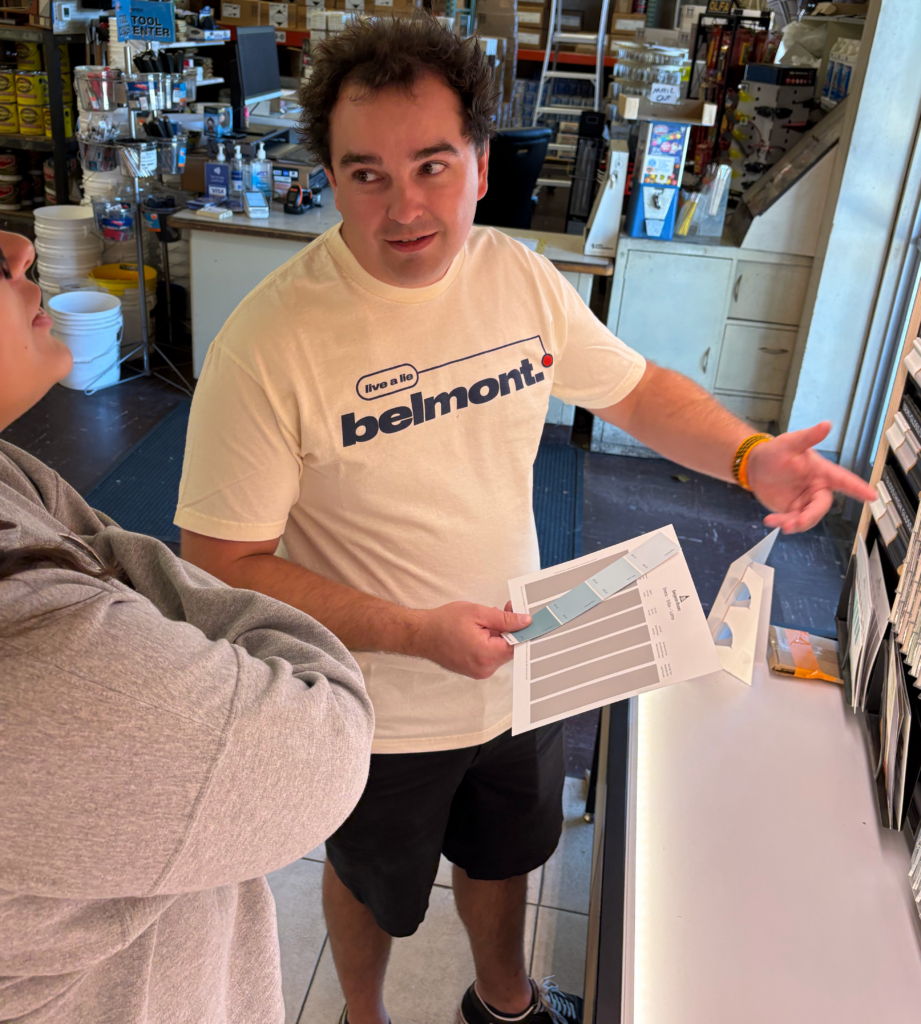 While some of the signs of disengagement are obvious—avoiding work, not working well with others, refusing to learn or adapt to new processes and engaging in gossip—spotting disengaged employees takes a little digging.
“Over time, you have to ask if someone is bringing everyone up, acting as dead weight or actively dragging everyone down,” Downey says. “If they’re in either of the latter groups, you have to have that conversation with yourself, and more importantly, with them.”
Oftentimes, in less severe cases, a simple check-in can spark a conversation that turns unwanted behavior into more productive alternatives, Downey says. In the end, engaged employees should be self-motivated, willing to learn and adapt and collaborate.
“If you’re not helping, you’re hurting,” Downey says. “I see engagement as the drive to strive for the highest. Maybe not every day, but overall, an engaged employee should be trying to be their best not only for their company, but for themselves.”
Finding What Motivates
Improving employee engagement and culture at West Whittier Paint started with creating a place where employees wanted to work, Downey says. He is creating a workplace of mutual respect and gratitude, the type of environment he would want to be a part of. Downey asks questions of what his employees want and need and takes their input into consideration.
“It’s been preached about for decades, but there are still plenty of people running stores with the opinion that employees should count themselves lucky just to have a place to work,” Downey says. “Maybe that still works in some places and for some people, but it’s not what I want my store to be.”
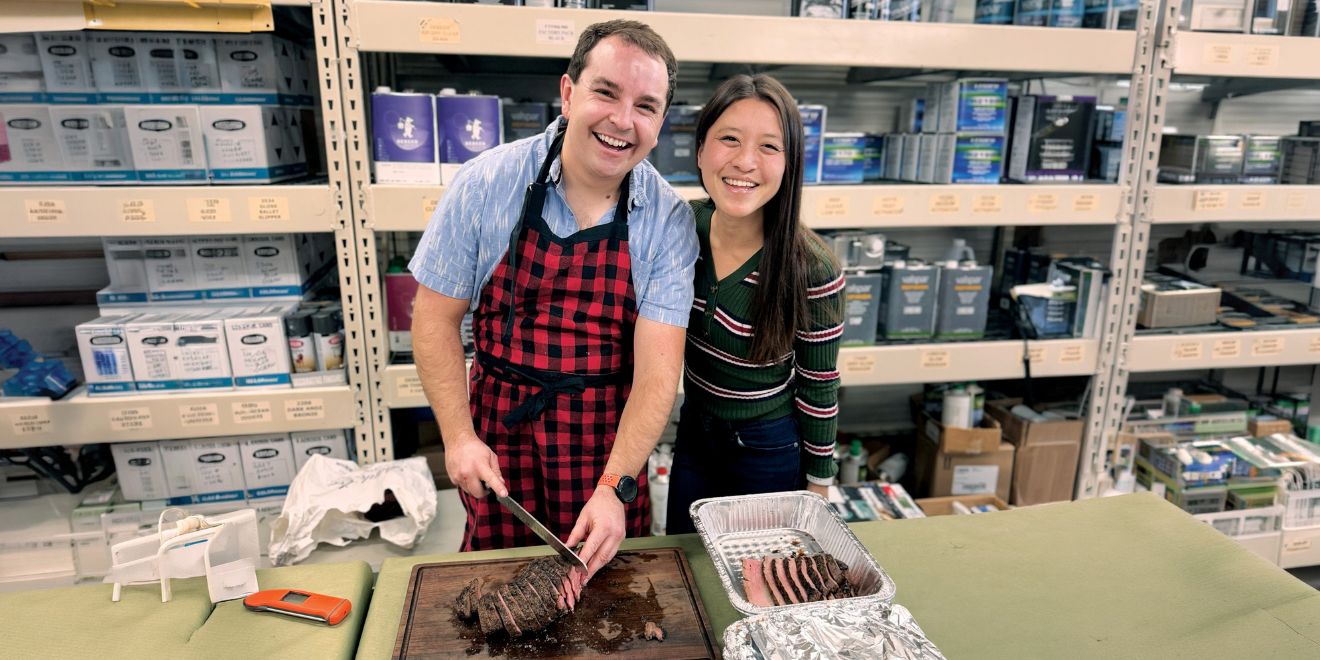
Downey’s employees are food-motivated, so he rewards employees with free lunch any time any employee or the store receives a 5-star Google review. The quality of the review correlates with the amount of money he spends on lunch. Exceptional reviews mean more than just pizza or fried chicken—those reviews earn the crew Italian, Chinese, Hawaiian or even a feast of smoked meat Downey prepares himself. If there’s a bad review with legitimacy and substance, he has a conversation with those employees involved and brings attention to the issue.
Recently, Downey implemented annual performance reviews, which he found has been an effective way to get a comprehensive discussion going with each employee and address issues or opportunities that may go unmentioned in the day-to-day. He also uses these annual reviews to set specific goals and expectations while also rewarding good behavior monetarily with a holiday or mid-year bonus incorporated with an annual raise that at least offsets inflation.
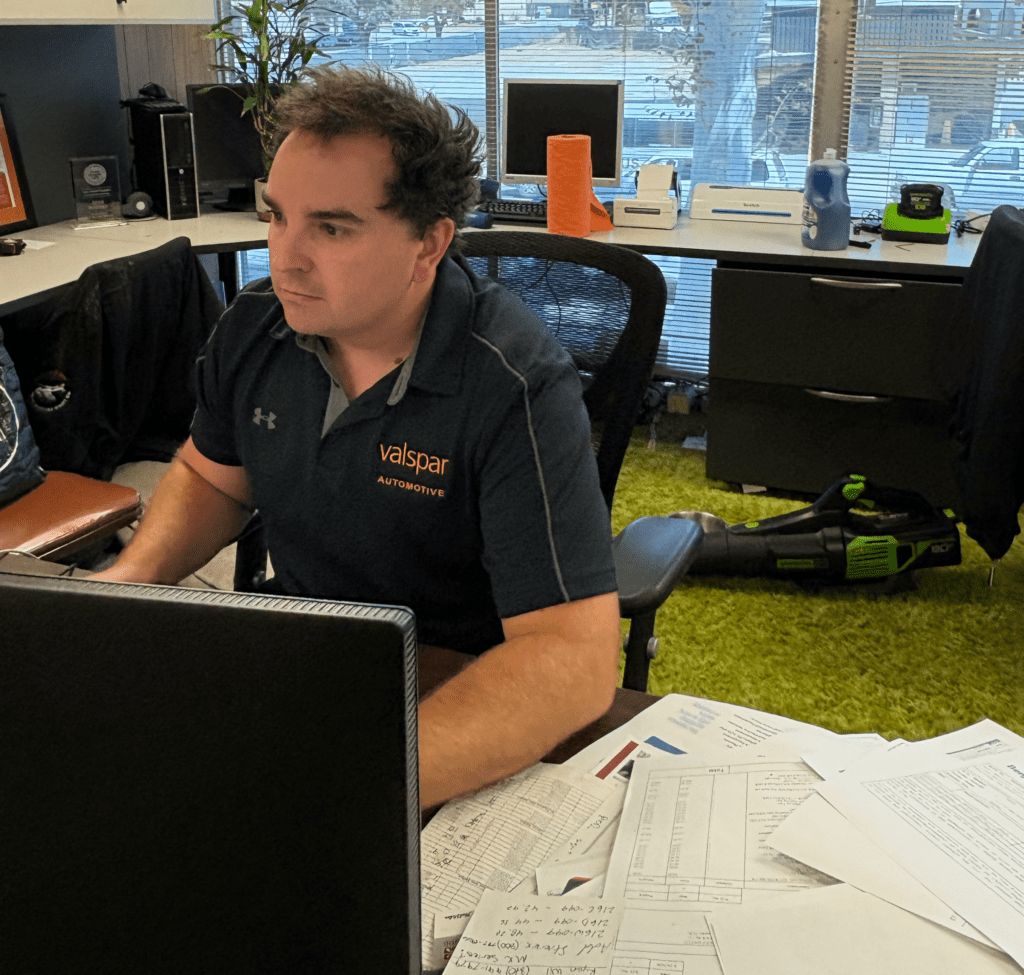 Communicating expectations for Downey starts by building a foundation of accountability one employee at a time that other employees can rely on and self-police. He recommends getting some employees in your corner to back you up when you want to make potentially polarizing decisions.
“At the end of the day, the simplest thing you can do is talk to your employees and genuinely listen to them,” Downey says. “People want to feel heard, and if you want them to work as a team, they have to feel like they’re actually part of the team.”
Building a strong company culture that promotes high employee engagement doesn’t just benefit the operation, it directly impacts customer service. One of the main goals of having more engaged employees is having more satisfied customers—you treat your people well, they treat your customers well and your customers treat you well. And while it’s never that simple, it’s something Downey still strives for in his operation.
“Overall, people want to shop where there are engaged employees. Satisfied and engaged employees lead to repeat customers,” he says. “As all small businesses know, our customer service is one of the very few things that we have over the big-box stores. An engaged employee will always provide better, more personalized customer service over what the big boxes come up with.”