

When it comes to pricing in paint retailing, it may feel like the big boxes and factory stores write the rules, especially when the economy dominates the conversation and consumers are squeezed for cash. But while they can drop prices, that’s usually the only card that discount merchants hold. Independent paint and decorating retailers win when they switch the conversation to value and service, while carefully monitoring their price image.
Paint & Decorating Retailer spoke with two retailers who have been able to increase their profitability and build their customer base in markets dominated by low-price leaders. An effective pricing strategy is less about having the lowest prices and more about how you position your brand and product’s value for the customer.
Sell on Value, Not Price
When Magnolia Paint Company opened in Charlotte, North Carolina, ten years ago, it faced what seemed like a tough fight for customers. Factory paint stores dominated the market and not only did local contractors and do-it-yourselfers have engrained shopping patterns, but they also had grown accustomed to frequent discounts on their favorite paint products. In order to match prices, they would have to give away their paint, says Ben Wyatt, director of business development and sales for the company, which now includes four retail locations in the Charlotte area. A better strategy, he says, is to educate customers so they understand the quality of the product they’re buying.
“Sherwin-Williams does a good job of marketing and a really bad job of comparing products,” he says. “If we’re comparing apples to apples, then we are actually competitively priced. But our competition wants to put a lower quality product against our higher-end paint, just so they have that price image.”
To effectively sell paint, Wyatt says it’s important to make sure customers are comparing similar products before considering price. Customers need to understand the performance of the paint they’re buying and what they can expect when they use it for their project.
For a homeowner hiring a painter, the cost of the paint is small compared to the cost of the labor. Paying a few dollars more per gallon of paint is a small increase compared to labor cost. And if the paint lasts longer and makes the painter’s job easier, then the customer is actually saving money over the long term.
“When it comes to pricing, we are actually playing with a strong hand,” says Wyatt. “If you consider the value to the customer versus what we charge, there’s an astronomical difference between the two, because if the paint fails early, or the color is wrong or it’s the wrong product for the job, then you will not have a successful project.”
As David Rippy, owner of Arizona Paint Supply, was breaking into the paint market in Scottsdale, Arizona, he discovered there were some pro painters who didn’t understand differences between grades of paint, so he had to spend a lot of time educating his customers.
“We don’t even have the bottom-level paint used by a lot of contractors, so you can’t let someone compare a $12-gallon paint with a midlevel paint. It’s just not the same product,” he says.
He differentiates himself in the market in that he doesn’t go after the budget paint buyer. The price war isn’t one he desires to play. Rather, he positions his store for painters who want a better product.
“We sell on qualities like durability, cleanability, color and color retention,” he says. “We’re selling a Lexus, but customers come in wanting a luxury product for an economy car price. We have to explain what we are and what we’re not.”
Use Discounts as an Incentive
Neither Rippy or Wyatt recommend a race to the bottom with a competitor when it comes to price. However, they both understand the power that discounts have on shaping their price image.
Rippy uses discounts to encourage customers to try his premium paint. Arizona Paint Supply is also in a market dominated by factory paint stores that often sell paint at a discount. For pro painters who may be reluctant to try his product just because it was priced higher, Rippy found a different way of getting it into their hands. He offered homeowners his contractor pricing if they bought paint for their whole house, even if they were hiring someone else to do the work. With the homeowner prescribing the product their painter should use, Rippy finally had a way for the contractor to try it. When he was first breaking into the Scottsdale market 10 years ago, that tactic allowed him to build his contractor customer base.
“Once the contractor used our paint, if they were honest, they would admit it was a much better product,” he says. “It’s what we’d been trying to tell them, but once they actually experienced it, they finally understood it. That was more effective than giving them a free gallon of paint, because you can only do that for so long. They need to use our paint on a real job so they can really understand it.”
Rippy also understands that everyone likes to think they’re saving money, so he offers a courtesy discount to customers willing to share their contact information. In exchange, he offers a small discount off retail price any time they come in the store. Having their name in his POS system gives him a record of what they purchased along with color choices, making it easier to help them with touch-ups and repaints.
He offers better pricing for repeat contractor customers and is willing to negotiate a price for high-volume jobs. In those cases, he recommends approaching vendors for price breaks. That allows him to retain some margin while offering a good price to his customers.
At Magnolia Paint, Wyatt says discounts have been a necessity both as they were breaking into a new market and in maintaining contractor relationships. Refusing to budge on prices wasn’t going to gain new customers.
“We’ve used discounts to extend an olive branch to potential customers,” he says. “Then once we get our foot in the door, we can generally do well building the overall relationship by increasing the number of products we sell them.”
Magnolia Paint also offers volume discounts to contractors, but gives preference to repeat customers.
“We don’t want people who are only going to buy from us occasionally to receive our best pricing,” Wyatt says. “We expect a certain amount of volume in exchange for those discounts.”
Even if margins are tight, Wyatt says it’s important to understand discounts as a long-term investment. He suggests looking at profit in terms of gross margin per customer, not just margin on inventory.
“When we have a customer who wasn’t a customer at all a year ago, even if we are not perfectly comfortable with the pricing we’ve extended them, at least we have them as a customer now and we’ve become a valuable part of their supply chain,” he says.
Be Quick About Price Changes
Failing to keep up with price changes will quickly erode margin, limiting your ability to offer discounts. When your cost of goods goes up, whether it’s an increase from the vendor or a fuel surcharge, don’t delay in making that change in your retail price.
Rippy changes his price at retail as soon as his costs go up. Customers are accustomed to price increases. He price shops his competition, so he knows increases happen there too, as well as everywhere else in retail, whether at the gas pump or in the grocery store. The best tactic, he says, is to be upfront and honest about price increases. Rippy says some of his competitors have raised prices on contractors without telling them. That erodes trust, and eventually Arizona Paint picks up customers who are looking for someone who will be honest with them. He gives customers as much advance notice as he can about coming increases so they’re not surprised when it happens.
“At this point in our economy, people understand price changes,” he says. “You have to raise prices to keep your margin. Otherwise, you’re leaving money on the table. You might think you’re helping out a customer by not raising your prices, but in reality, you’re not helping him out because pretty soon you’re going to go out of business.”
Price Sundries Strategically
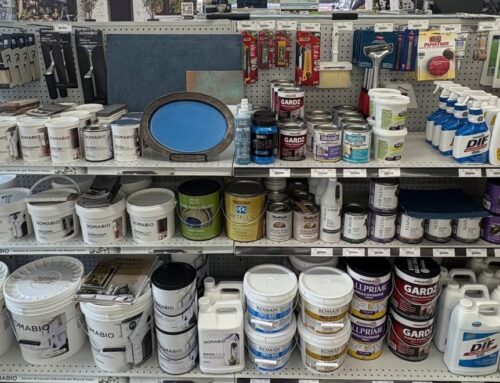
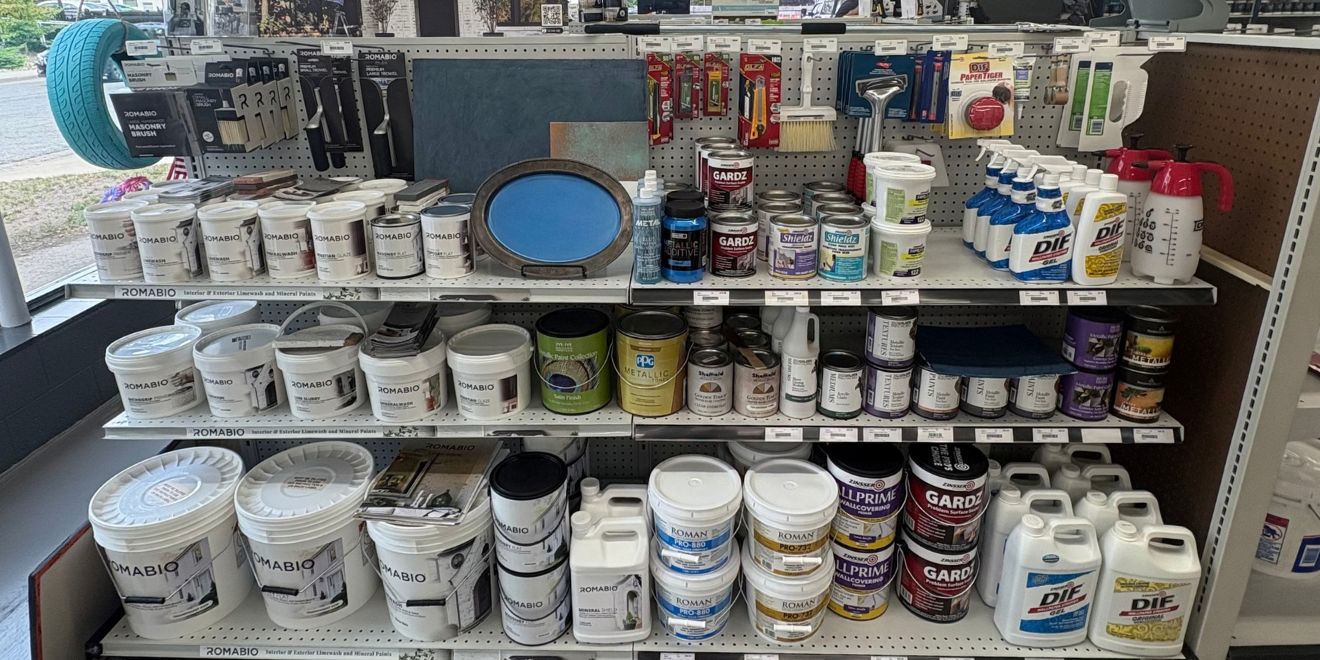
Done right, paint sundries present a way to increase gross margin and broaden your customer reach. Magnolia Paint offers everyday low prices on sundries, which helps the business establish a positive price image with customers as soon as they walk in the door and sets the mood for the whole store.
“A contractor is going to check the prices on some of the items they buy every day,” Wyatt says. “They have an idea in their head of what that price should be, so we don’t want to disappoint. We’re trying to set the mood that we care about the professional painter and want to build a relationship and deliver value in all dimensions.”
Even if he has to lose a little margin on sundries, the low-price strategy is helping to build relationships with customers. One way to mitigate against that margin loss is lowering costs, he says. Magnolia Paint recently joined a sundries wholesaler group, and Wyatt says that has already had a meaningful impact in helping them lower cost.
When doing his market research to determine what products are the most price sensitive in the market, staff at Magnolia Paint just watch the customers. Whenever they get out their phone to price check a product, that’s an item where the pricing better be sharp. Other times, their reaction when they see a new product and its price tells him right away if their price is too high, says Wyatt.
“We carry a bigger selection of products than our competitors,” he says. “Stores like Home Depot may have cheap sundries in some cases, but most painters prefer not to have to go there. When painters find a product that works well for them, it becomes important enough that they won’t really consider buying something different as long as they can get a fair price.”