

Hand tools, knives and blades are key categories in any independent paint operation, essential for both professional contractors and DIY enthusiasts, but maximizing profitability in this category requires more than simply stocking shelves. From managing brand loyalty to tailoring product selection based on customer demographics, see how one retailer focuses on impulse merchandising, curated assortments and smart vendor management to lead to increased sales in this category.
At Old Western Paint Co. in Denver, president Adeline Smith has mastered how to sell hand tools of all types to her contractor-heavy customer base. Located in an industrial park and only open on weekdays, Old Western Paint Co. primarily serves professional painters as well as a variety of institutions, including schools, hospitals and county, city and state parks.
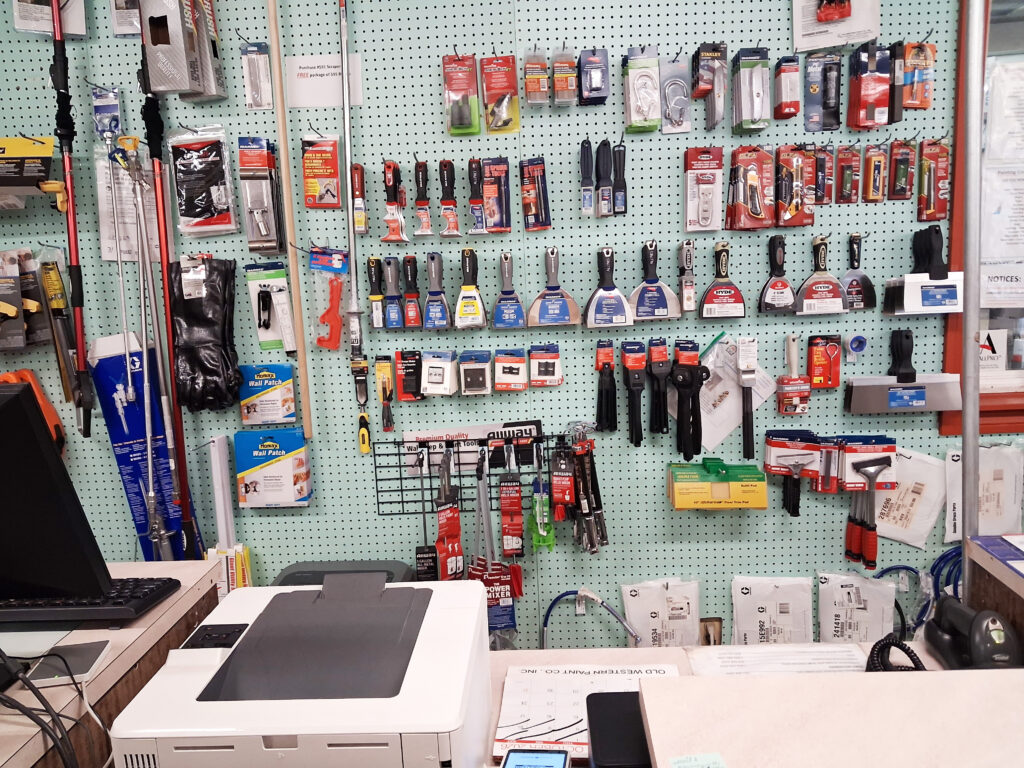
The hand tools category brings in only about 5% of revenue for the store, but packs a punch when it comes to selection. From brush spinners, bottle openers and paint combs to scrapers of all sizes, knives and sharpening files, Old Western Paint Co. stocks a wide range of tools for every painting need. Smith believes that having a wide product assortment of hand tools is a smart way to keep sales steady in a smaller-volume category.
“We try to carry anything to cater to the professional painting contractor, because that's who we serve,” Smith says.
Most of these items are sourced from the store’s purchasing cooperative or vendors who visit the store. Maintaining strong relationships with vendors is essential to keep up inventory and build loyalty among your customers.
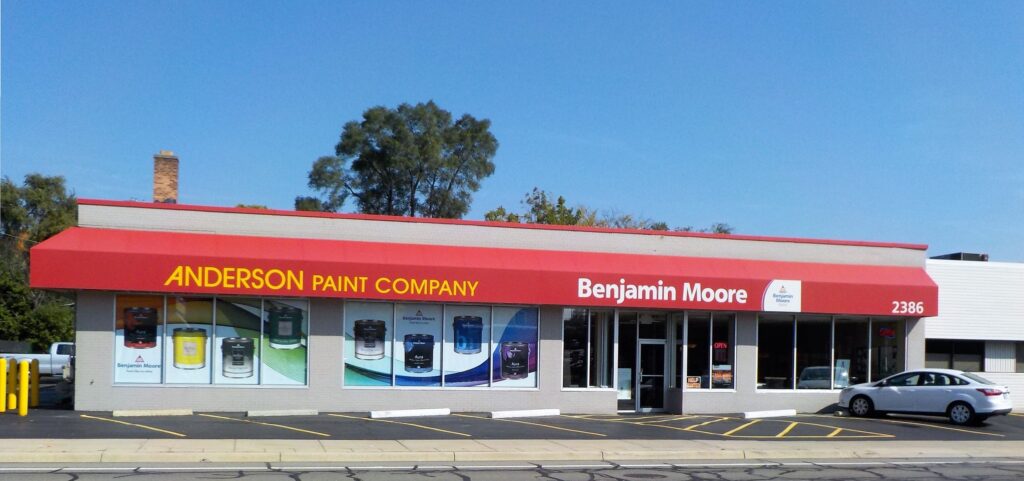
At Anderson Paint, which operates two locations in Ann Arbor, Michigan, balancing inventory and avoiding overcommitment is a strategy general manager John Rudolph also utilizes in his hand tools category.
“Sometimes a sales rep comes in with a new product and says it’s better and cheaper,” Rudolph says. “But if we bring it in, we risk splitting our volume among multiple vendors, making it harder to hit minimums and potentially inflating our inventory.”
Rudolph says he checks to make sure a new product doesn’t conflict with current inventory items before bringing it in.
“If a customer asks for a specific type of tape and you bring it in, then another brand releases a similar product with slight variation and you add that too, and before you know it, you have four different products that all serve the same purpose and take up shelf space,” Rudolph says.
Having a productive working relationship with vendor representatives plays a major role in how Rudolph selects products and stays on top of industry trends.
“We have vendor reps visiting our store about three times a year, sometimes quarterly,” Rudolph says. “Manufacturers introduce new products, and we evaluate them based on quality and price. But trade shows are where we get a sense of what’s out there.”
Rudolph regularly attends trade shows for his distributors, and he says he values traveling to shows because he’s able to speak with his peers on products at booths to get a real sense of how the product and the vendor are.
“At a trade show, I can talk to fellow independent store owners and ask if they’ve had success with a product,” Rudolph says. “I trust their feedback more than a sales rep who is naturally inclined to push their products.”
Trade shows allow Rudolph to make smarter purchasing decisions.
“A vendor might have a great product at a lower cost, but if switching to them means we have to split our purchasing volume and struggle to meet minimum order requirements, it may not be worth it,” he says. “Managing supplier relationships effectively means knowing when to say no.”
A significant portion of Old Western Paint Co.’s knives and blades are located behind the counter, a move the store made in response to theft issues. Some larger hand tools are located on access walls at eye level, easily drawing the attention of customers.
Smith says the hand tools at her store are mainly impulse sales and she sees the most success in this category when they’re marketed as such or added to the store’s sale shelf.
“We rotate things on sale, so we'll take one item, like a scraper, and we'll put a promotion on it and run a sale for a month,” she says.
Employees at Old Western Paint Co. are trained to sell hand tools like any other product in the store: highlighting promotions and sales, providing expert knowledge and pointing customers to the best tool for their project.
“We train ourselves to market and trigger items we have on sale so we can get people to see more of our items, and then we try to rotate the sale items so that we can let people know what we have,” Smith says.