

Staying in tune with the best options in the abrasives and sanding tool categories is an essential practice for retailers who offer a full range of painting supplies. By strategically organizing products, prioritizing quality and leveraging customer feedback in this category, your store can better serve both contractors and DIYers. Hear from three retailers who have learned how to make an abrasives category a successful profit driver and discover why investing in this product section is worth the time and effort.
Premier Product Selection
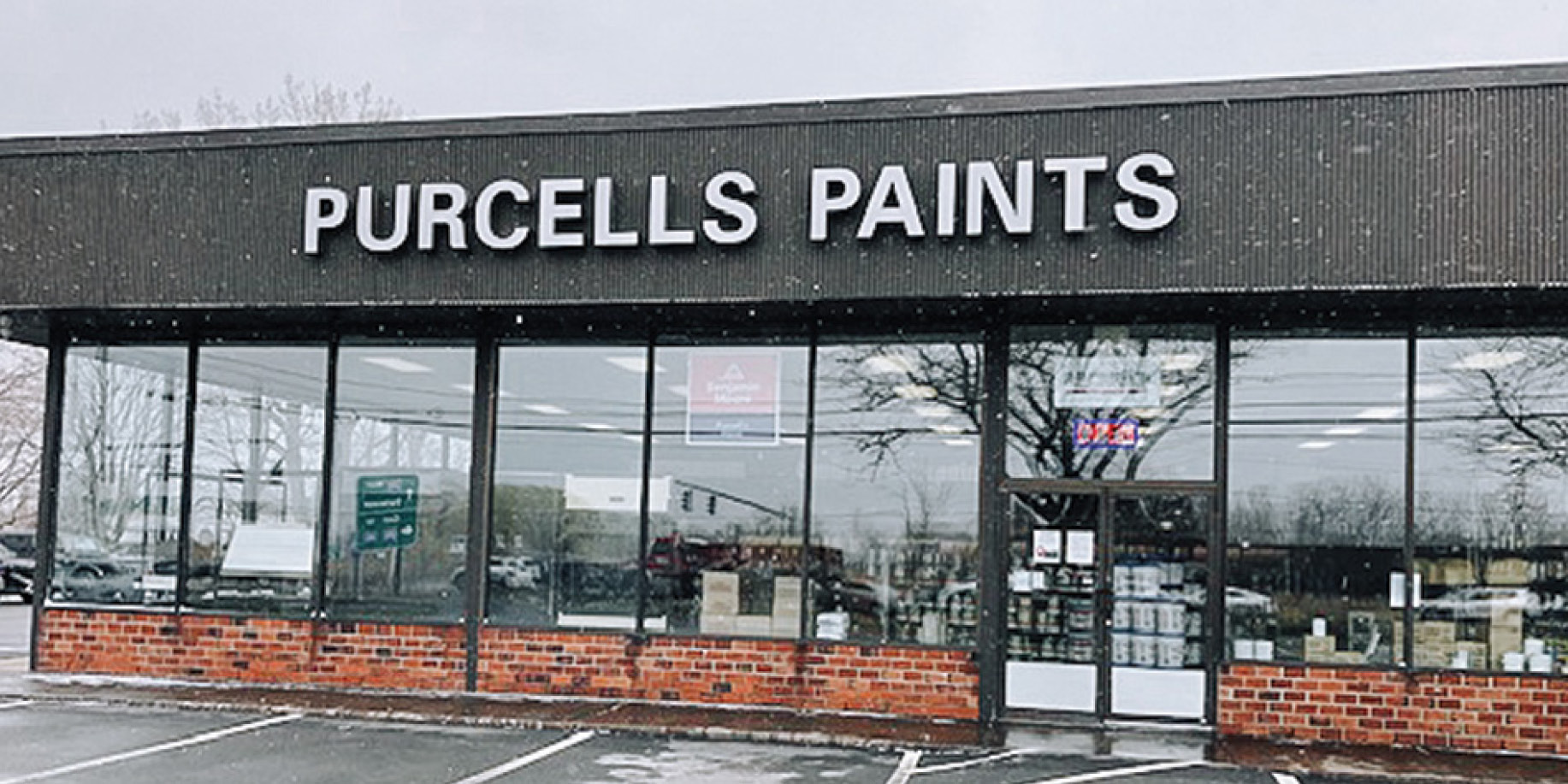
Paul Webster, purchasing agent at Purcell’s Paints in Syracuse, New York, leads the store’s purchasing department, overseeing product selection and ensuring the store carries high-quality sanding and abrasives products that meet the needs of both professional contractors and home improvement enthusiasts.
The store structures its abrasives category to make shopping intuitive and efficient, separating products based on customer type, ensuring both contractors and DIYers can quickly find what they need. Contractor-specific sanding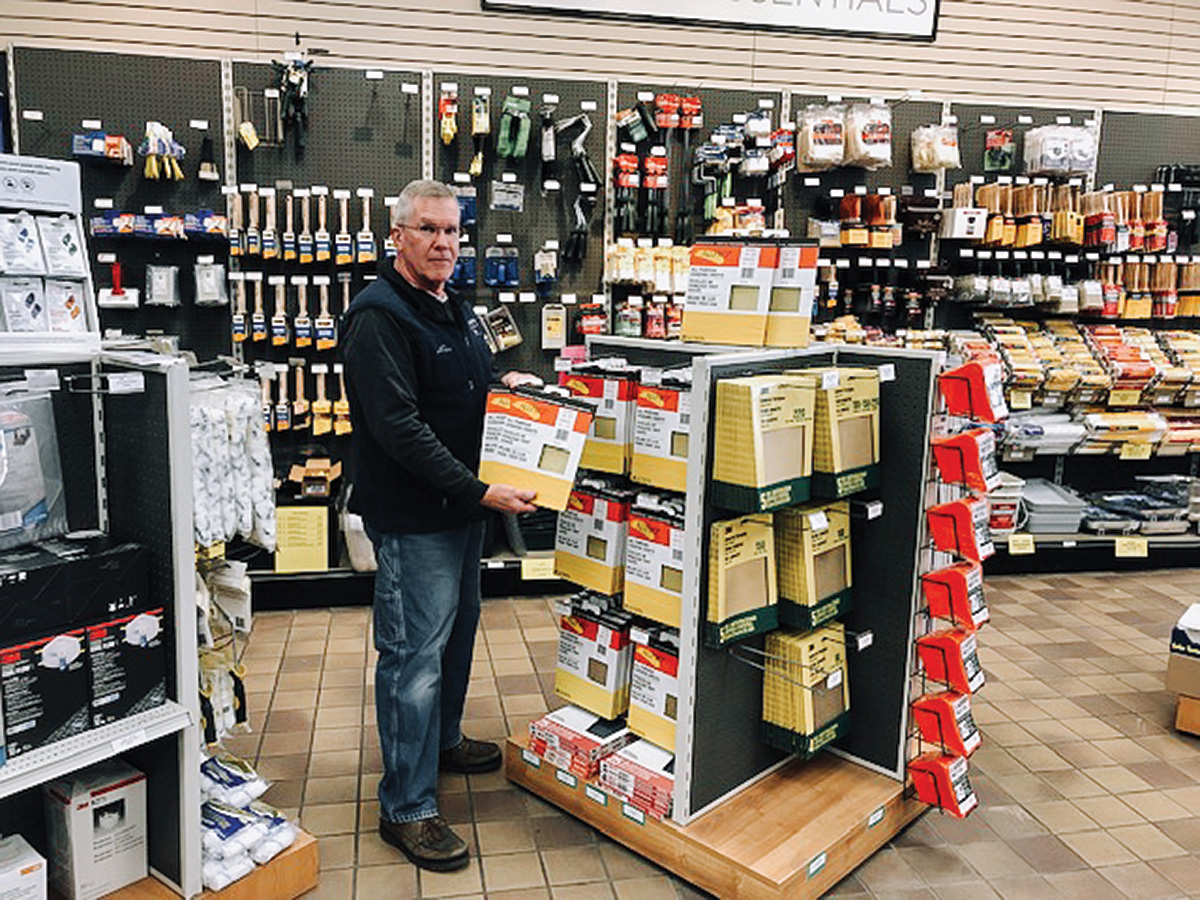 products, such as floor sanding belts and discs, are positioned near complementary items like floor coatings and sealers.
“We want our contractors to find what they need quickly so they can get back to work,” Webster says. “Keeping everything in a logical order saves them time and makes it easier for them to grab everything in one trip.”
For DIYers, abrasives and sanding products are placed throughout the store, near related items such as paint rollers, spackle and patching compounds. These products are also positioned closer to the paint counter, where employees can assist customers in selecting the right tools for their projects.
“DIYers often have more questions and need help,” Webster says. “By keeping sanding products near other painting and patching materials, we make it easier for them to get advice and make informed choices.”
While many independent paint retailers follow the good-better-best business model, Purcell’s Paints takes a different approach. The store doesn’t stock products that fall into the good category, instead choosing to carry only better and best options.
“Abrasives may seem like a small part of a project, but if they fail, it slows everything down,” Webster says. “We make sure we’re selling products our customers can rely on.”
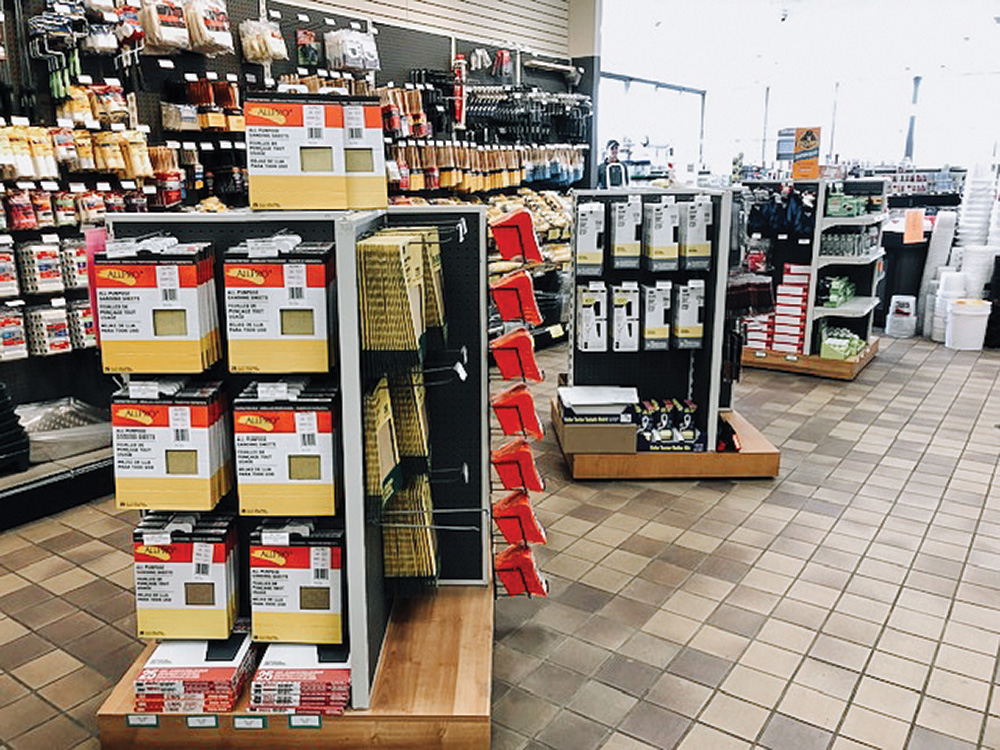 By focusing on stocking high-performance, durable products rather than cheaper alternatives, Purcell’s has become the go-to for reliability in this category.
“It doesn’t do any good to buy the least expensive sandpaper or stock it just to have it,” he says. “If it doesn’t hold up, it creates frustration for the customer and damages our credibility as a supplier.”
Webster conducts a variety of product research methods to find new items for his shelves, including collaborating closely with a core group of contractors.
Manufacturers supply samples and the contractors test the products in real job settings. If the products do not meet durability and effectiveness standards, Purcell doesn’t bring them to his store.
“We don’t just bring in a new product because it looks good on paper,” Webster says. “We want to know it works in real-world conditions before putting it on our shelves.”
Leaning Into the Customer Experience
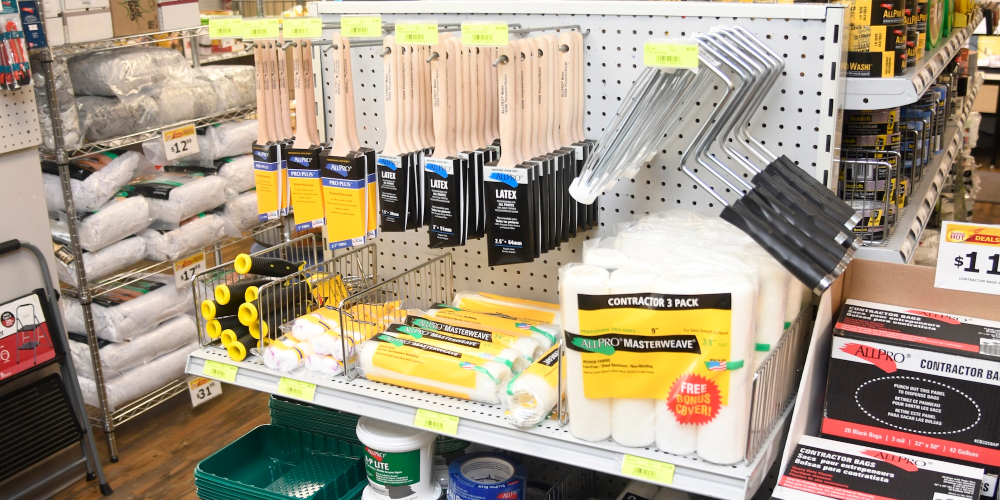
Nortons Paint in Paramus, New Jersey, has become a staple for residents seeking painting supplies, including abrasives and sanding products. The store dedicates an entire aisle to sanding products and abrasives, offering everything from sandpaper and sponges to sanding discs and palm sanders.
One of the recent biggest sellers for the store has been powered sanders, many of which include dust-collection systems that make the job site cleanup easier.
“Having multiple dustless options is great for our contractors because they’re going into people’s homes and don’t want to make a mess while they work,” says manager Erik Boettcher. “I’ve heard horror stories of homeowners still finding dust weeks after a contractor has finished a job, so we make sure we have dustless options.”
In addition to powered sanders, Nortons Paint stocks a diverse range of sandpaper grits, catering to customers’ varying finishing needs. Boettcher underscores the significance of effectively communicating product options to customers and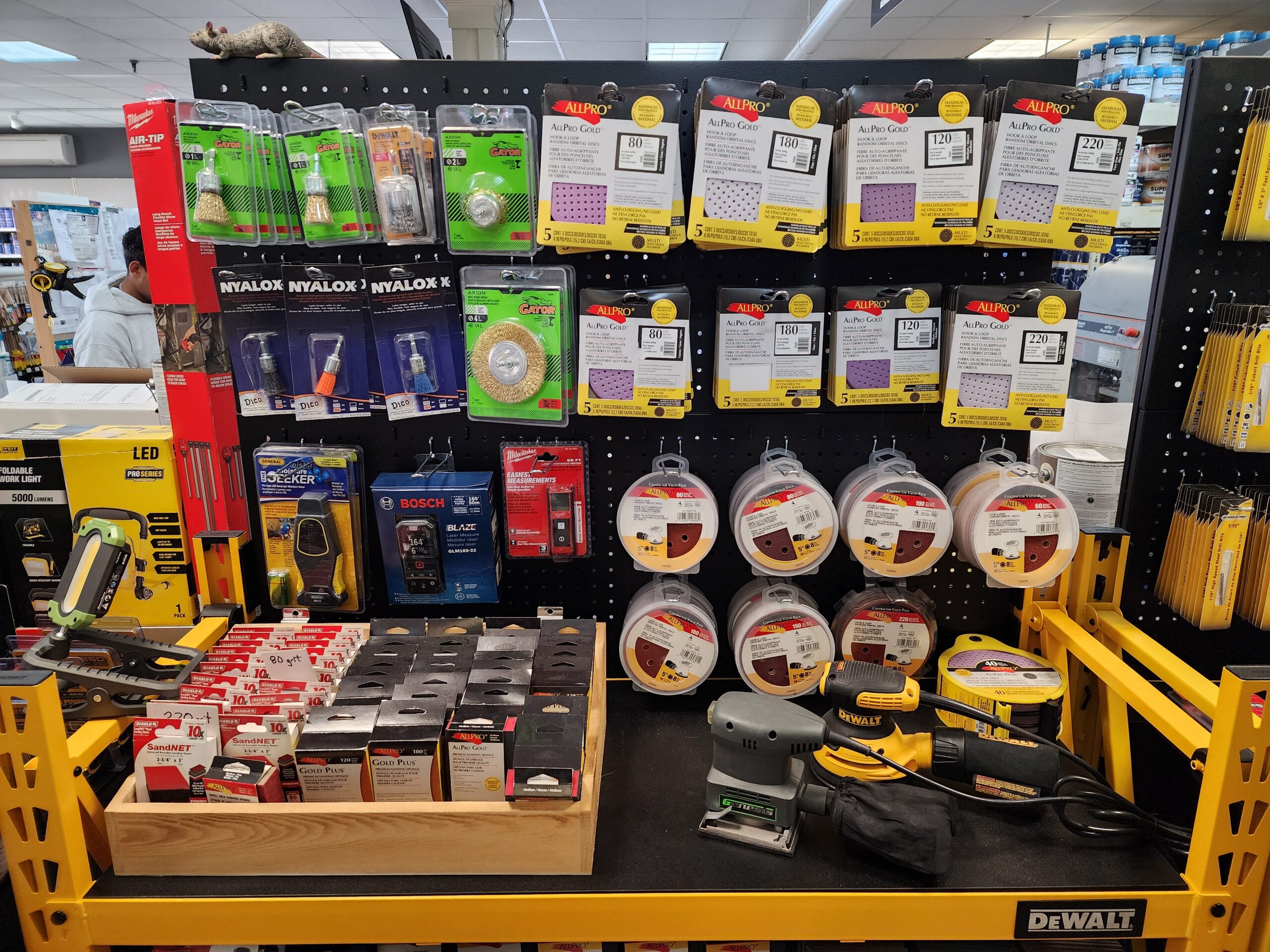 ensuring a comprehensive selection to meet diverse preferences. The store sells everything from 1,000-grit sandpaper down to 36-grit sandpaper.
“Having a wide range of sandpaper types allows us to serve all the different types of finishes our customers are trying to achieve,” Boettcher says.
However, having variety in this category doesn’t serve an operation well if the employees are not properly educating customers on the nuances of abrasives, Boettcher says.
“It’s all about listening to the customer and learning what kind of job they’re doing,” he says. “If what they want to buy doesn’t work out, we’re able to offer them alternatives. If we don’t have what they need, we’re able to order it for them. We’re always looking at new products, but also keep the core selection that customers come back to.”
To further engage customers and empower employees, Nortons Paint hosts several demo days per year in collaboration with The Wooster Brush Company, Festool and Benjamin Moore.
These events allow customers to experience products firsthand while enjoying refreshments. Boettcher emphasizes the value of hands-on interaction with tools, both for customers and staff, to convey expertise and build trust in the company.
“We host multiple demo days every year,” Boettcher says. “We try to make it appealing to everybody from a DIYer coming in to contractors. These demo days are a great chance for customers to get their hands on a product and see it used by professionals and also use it themselves.”
Boettcher says the demo days began as a way to enhance the shopping experience for their customers and show how the right accessories can make or break a job.
“You can have the best sander in the world, but if you don’t have the right abrasive that matches up to it, your customer is going to have a bad experience,” he says.
Outside of demo events, Nortons Paint provides opportunities for customers to test products.
“I have multiple sanders and vacuums ready to use in the store, so if a customer wants to test one out, we can get with them right away for that in-store demo,” Boettcher says.
Boettcher stresses to his employees the importance of treating every customer with respect. All the training he offers ensures a better sales experience, regardless of the employee’s background or expertise. A lot of his training comes through time in the store interacting with customers.
He encourages his employees to take products they have and use them in-store and at home so they can give their honest opinions to customers.
“Whether it’s a contractor or a homeowner, if you say that you have experience with a product and it will help them complete their job, more often than not, they’re going to buy that product,” Boettcher says. “The whole sale has to be a trustworthy experience.”
Educate for Success
John Schultz co-owns O-Gee Paint in Miami, Florida, with his sister, Peggy Sue Wingard. Schultz has worked full-time at the business since 1988 and took co-ownership of it in 2021 from his mother. Between the company’s retail store and contractor shop, sanding and abrasive sales bring in a significant portion of the operation’s revenue each year. He succeeds in sanding and abrasives by following these three best practices.
Keep It Clean
When selling paint, recommend sanding between every paint coat. Schultz suggests pointing out that sanding removes ugly drips, roller lint and brush marks. It also reveals poorly adhered paint that needs to be removed.
Get a Grip
Explain to customers how sanding creates a profile for paint or primer to better grip a surface, Schultz says. Sanding should be encouraged when consumers are painting doors, trim, banisters, stair treads and cabinetry.
Stock Up
Merchandising a variety of grits, backings, materials, shapes and sizes improves sales, Schultz says. Stocking products for trade customers that require steady product supply can also boost sales, Schultz says.
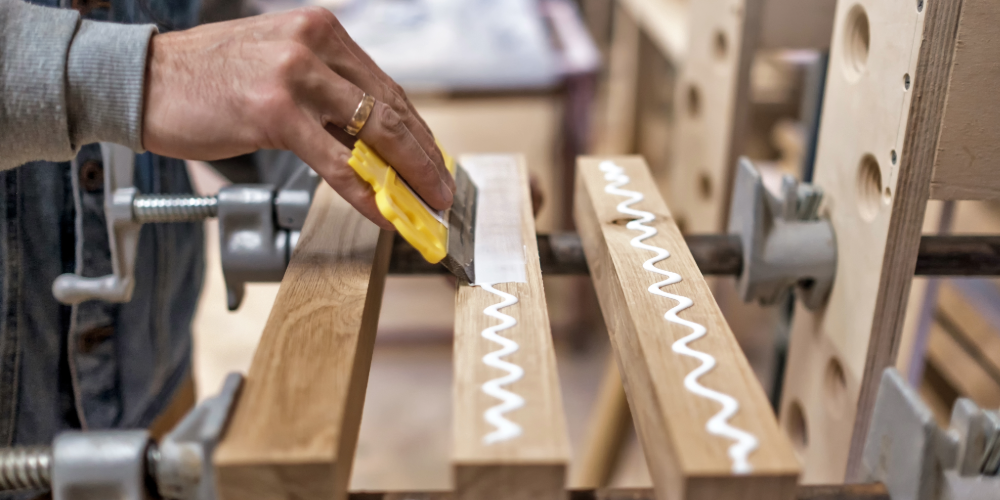
“I have been known to glue sandpaper to a stir stick to get into tight places like between louvers,” Schultz says. “Gluing sandpaper to other shapes to make a special profile can really speed things up. Non-woven abrasive pads, like the scrubber on the back of your kitchen sponge, are a great way to get into unusual spaces. They compress, enabling them to squeeze into small areas, and they are good for cleaning thoroughly and stripping off any loose material.”