
In life, comparison is the thief of joy, but when it comes to business, comparison is a key component to evaluate progress and gauge success. In the independent home improvement industry, running a gap analysis is one of those tasks high-performing retailers tackle on a regular basis, and a crucial task to see blind spots and points of improvement.
 To aid retailers in the process of conducting gap analyses, the North American Hardware and Paint Association (NHPA) annually conducts the Cost of Doing Business Study, which provides detailed financial information from hardware stores, home centers, lumber and building materials (LBM) outlets and paint and decorating outlets in the U.S. In each segment, data is presented for the typical store, for high-profit stores, for single-unit and multiple-unit companies and for sales volume categories. In addition, there is a five-year historical trend for typical stores in each segment, including paint.
For over 100 years, independent home improvement retailers have used the Cost of Doing Business Study to benchmark their business against industry averages, identify ways to reduce costs and increase profits, uncover hidden growth opportunities and plan for long-term financial success.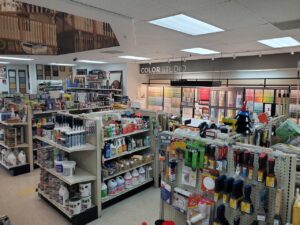
“The Cost of Doing Business Study allows retailers to see direct results between their income statement and balance sheet versus the rest of the industry,” says Dave Gowan, NHPA chief financial officer. “They can use the ratios included in the study to guide a plan for revenue growth and to help cut expenses.”
The Metrics That Matter
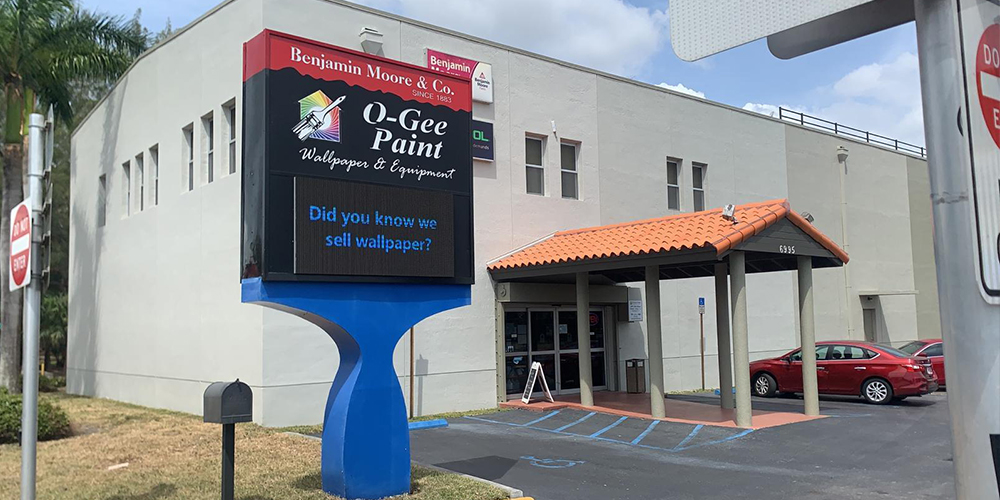
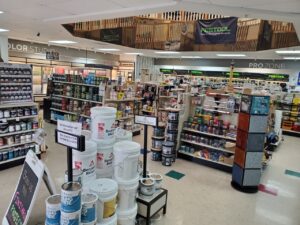
If someone asked Peggy Sue Wingard, owner of O-Gee Paint Co. in Miami, Florida, how her business is performing, she could easily paint a detailed picture of the company’s strengths and areas they are working on improving thanks to NHPA’s Cost of Doing Business Study. Wingard has been participating in the study for over a decade and appreciates how the study equips her with a better understanding of how her operation is performing.
“The Cost of Doing Business Study is important for me to see where my company is compared to others in the industry,” Wingard says. “The timeframe for completing the survey in late spring is perfect because I have the time then to think about the business metrics to complete the survey.”
When the study is released each fall, Wingard says she takes a close look at how her store is performing compared to other paint stores and chooses a few key performance indicators (KPIs) to focus on. Those KPIs include sales, sales per customer, customer count andprofit percentages.
“I’m looking to be sure that I am in the running against other paint stores,” Wingard says. “Over the years, it seems you need an average gross margin of 36 to 38% to make a profit for paint dealers.”
Wingard also takes a close look at labor and benefits, as health insurance, 401(k) expenses and payroll account for a large portion of the operation’s expenses.
“I want to make sure I am doing my best for the team and the store,” she says.
Like so many other retailers during the COVID-19 pandemic, Wingard struggled to acquire products and purchased duplicate items from multiple vendors to stock the shelves. This past year, that purchasing strategy led to lower inventory turns and higher inventory cost, which Wingard has been addressing. Wingard’s spending on advertising was ranking lower based on the study, so she has also made efforts to increase spending on advertising.
“I try to tackle more of the pain points and low hanging fruit first,” Wingard says. “Last year, I showed higher in accounts receivable collection days, so we have started emailing out statements.”
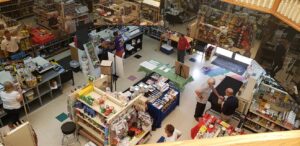 Bringing her employees on board is also key to making sure the changes she implements actually lead to improvements in the O-Gee Paint’s numbers. To align frontline employees with the new strategies, Wingard says she first tried to share the numbers with the team, but they didn’t resonate.
“I have read several business books and many say to share the numbers with the team, but I have tried that and all I get is a deer in the headlights look,” Wingard says. “Instead, I let them know we are looking to increase sundry sales or reduce inventory and create fun incentive challenges, such as SPIFFs on discontinued products and challenges for line item add-ons.”